
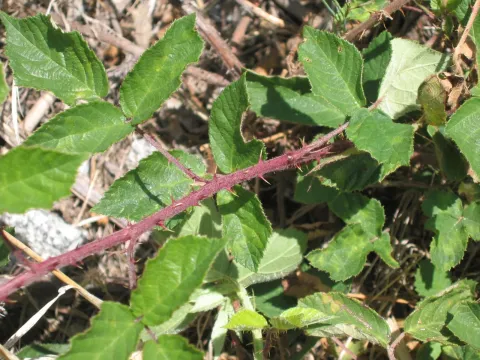
Henriques blackberry
Rubus henriquesii
The Henriques blackberry (Rubus henriquesii) is a distinct species of the Rosaceae family. This shrub is native to specific regions of the Iberian Peninsula, particularly in Portugal, where it thrives in natural, protected habitats.
What the section contains
Henriques blackberry
The cultivation of this species requires a deep understanding of its natural ecosystem, which involves well-draining, slightly acidic soils. It is essential to ensure that the soil remains consistently moist without becoming waterlogged, which is detrimental to the roots.
Regarding climate, this plant favors temperate conditions. It is not well-suited for extreme heat or severe frost. Ideal planting sites are those that offer partial shade, mimicking the forest edges or slopes where the species is naturally found.
Agrotechnical maintenance for this plant involves regular pruning of old and weak stems to encourage vigorous new growth. Keeping the planting area free from invasive weeds is crucial, as the Henriques blackberry may struggle to compete for nutrients in poorly managed sites.
Economically, this species is mainly of value to researchers and botanical gardens. Its unique traits make it a potential candidate for studies involving the genetic improvement of cultivated blackberries, especially regarding disease resistance.
The primary threats to Rubus henriquesii include fungal pathogens common to blackberries, such as anthracnose and leaf rust. These diseases flourish when air circulation is poor and humidity levels remain excessively high throughout the growing season.
Pests such as aphids and spider mites are frequent adversaries. These insects feed on the plant's sap and foliage, weakening the overall structure and potentially reducing the photosynthetic capacity of the plant.
Root-feeding larvae, including those of various beetle species, pose a serious risk to the long-term survival of the plant. Preventive measures include proper soil preparation and the avoidance of contaminated planting sites.
To mitigate the risks of infestation and disease, growers should focus on maintaining optimal plant spacing. Proper ventilation is the best natural defense against most fungi, as it prevents the buildup of moisture on the leaves.
Monitoring the health of the plants should be a routine task. If symptoms of stress or infection appear, targeted intervention using organic or systemic control methods may be necessary to ensure the preservation of the specimen.