
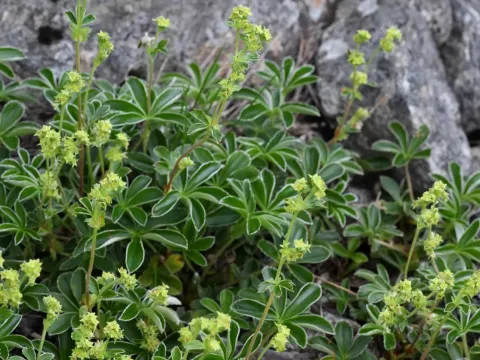
Alchemilla transiens
Alchemilla transiens
Alchemilla transiens is a perennial herbaceous plant belonging to the Rosaceae family. Often referred to as a variety of lady's mantle, it is highly regarded for its unique foliage and structural appearance in gardens and natural landscapes.
What the section contains
Alchemilla transiens
Botanically, the plant is distinguished by its lobed leaves that often display a distinctive pubescence. This trait allows the plant to collect dew drops, which is a signature characteristic of the genus in various environments.
The plant thrives in temperate climates, requiring well-drained, nutrient-rich soils to reach full maturity. It is generally tolerant of various soil pH levels, but performs best in slightly acidic to neutral environments.
Cultural requirements include providing a spot with partial shade to full sun depending on the local heat index. Consistent moisture is necessary during the establishment phase, though mature plants demonstrate moderate drought tolerance.
In terms of agricultural use, this species is cultivated primarily for its medicinal properties and ornamental value. Its foliage is often harvested to produce extracts rich in tannins, which are utilized in traditional herbal medicine.
Common pests affecting Alchemilla transiens include aphids and leaf-eating beetles. These insects can significantly weaken the plant if left untreated, leading to reduced vigour and potential secondary infections.
Fungal diseases such as powdery mildew represent a significant threat during periods of high humidity and poor air circulation. Proper spacing between individual plants is the most effective cultural control measure.
Root rot is a major risk in waterlogged soil conditions. Ensuring that the planting site has excellent drainage is critical for the long-term health and survival of the crop in varied soil types.
Integrated pest management strategies are recommended to maintain plant health without disrupting the local ecosystem. Regular monitoring for signs of stress or infestation is essential for early detection.
In the event of heavy infestations or disease outbreaks, biological control agents can be used to manage the population. Maintaining healthy soil biology helps the plant defend itself against opportunistic pathogens.