
Alchemilla sericoneura
Alchemilla sericoneura
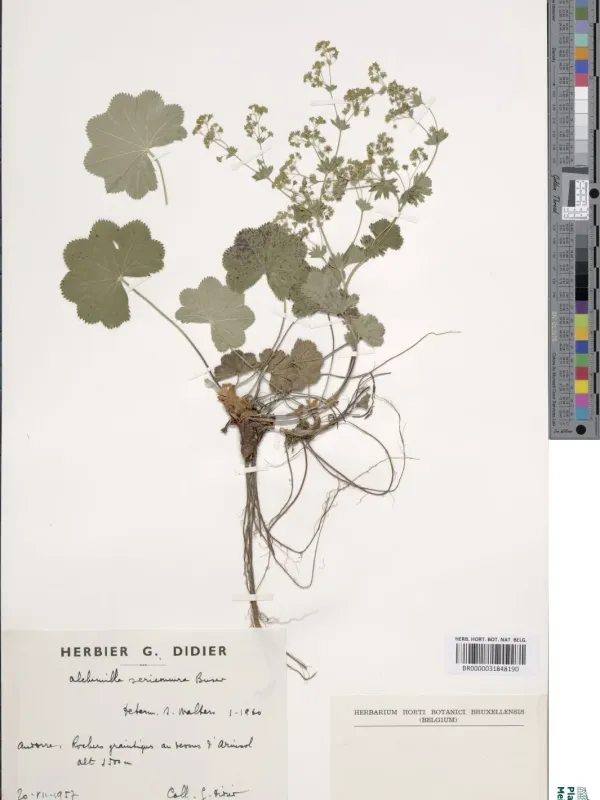
Description
Growing requirements
Alchemilla sericoneura is a perennial herbaceous plant belonging to the Rosaceae family. It is recognized for its unique botanical features, particularly the distinct silky hair covering the veins of its leaves.
The species naturally occurs in high-altitude environments, where it has adapted to temperate climates with sufficient precipitation. Its foliage forms dense basal rosettes, which are highly valued for their texture.
Cultivation requires well-drained, nutrient-rich soil with a neutral or slightly acidic pH level. Proper drainage is essential, as the plant is susceptible to root rot if placed in heavy, waterlogged soils.
This species thrives in partial shade but can tolerate full sun exposure if the moisture levels in the soil are consistently maintained. It exhibits excellent winter hardiness, surviving in various climatic zones.
Economically and horticulturally, this plant is used for medicinal purposes due to its chemical composition and as a reliable groundcover in landscape design, especially in rock gardens or damp woodland areas.
Main diseases and pests
Powdery mildew is the most common fungal issue for this plant, often triggered by poor air circulation and excessive humidity levels in the planting area.
Root rot represents a significant threat during periods of heavy rain or poor soil drainage, necessitating careful management of irrigation practices for healthier growth.
Various insect pests, such as aphids, can infest the plant, particularly focusing on the tender new growth of the flower stalks and leaves.
Slugs and snails frequently cause damage to the foliage, grazing on the leaves and leaving behind visible traces, which may diminish the aesthetic appeal of the garden.
Regular maintenance, including the removal of yellowed or decayed leaves and providing sufficient spacing between plants, is the most effective strategy for integrated pest and disease management.