
Allegheny plum
Prunus alleghaniensis
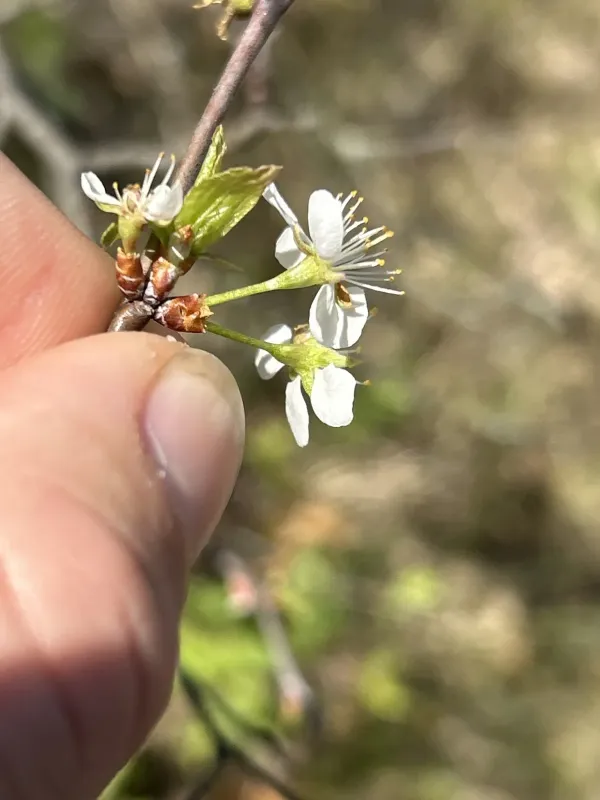
Description
Growing requirements
The Allegheny plum (Prunus alleghaniensis) is a distinctive species of deciduous shrub or small tree belonging to the Rosaceae family. Native to the mountainous regions of the eastern United States, particularly within the Appalachian range, it has adapted to rugged landscapes and varying elevations.
Regarding site requirements, this species thrives in well-drained, rocky or sandy soil types. It is particularly well-adapted to poor soils where other fruit-bearing species might struggle, making it an excellent candidate for restoration projects or low-maintenance orchard corners.
Climatically, the Allegheny plum is highly cold-hardy, reflecting its origin in temperate zones with significant winter frosts. It requires full sunlight to optimize fruit production and maintain the health of its dense, twiggy canopy, which is characteristic of the species.
Botanically, the tree is recognized for its slender, lanceolate leaves and small, dark purple to black drupes that mature in late summer. It typically grows as a thicket-forming shrub, displaying a profusion of white flowers in early spring before the foliage fully emerges.
In terms of agricultural management, the species requires little pruning beyond removing dead or crowded wood to encourage airflow. Its tendency to produce suckers can be managed through regular maintenance, ensuring that the primary stems remain productive and healthy for years.
Yield
While the Allegheny plum is not typically grown for large-scale commercial production, its fruit yield can be significant on healthy, mature specimens. The berries are valued for their intense flavor and are often utilized in regional culinary traditions for jams, jellies, and preserves.
Harvesting usually occurs in late summer when the fruit reaches its characteristic dark color. Because the fruits are small, they are often picked by hand, requiring patience but offering a unique, wild-grown quality that is highly appreciated by enthusiasts of native edible plants.
Main diseases and pests
The Allegheny plum is susceptible to common stone fruit diseases, including black knot (Apiosporina morbosa) and brown rot. Monitoring for these conditions is essential, especially in areas with high humidity, as early detection can prevent widespread damage to the shrub's branches.
Pest pressures often involve common orchard insects like aphids and various species of plum curculio. Implementing preventative strategies such as removing fallen fruit and maintaining proper sanitation around the base of the shrub can significantly reduce the impact of these infestations.