
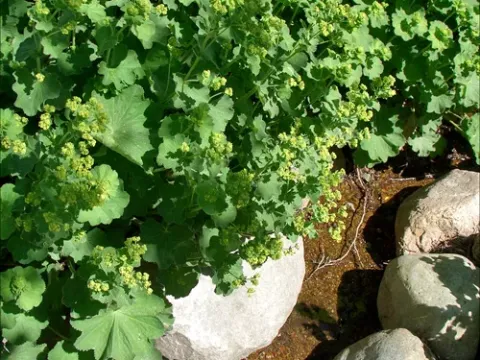
Alchemilla splendens
Alchemilla splendens
Sowing seeds of Alchemilla splendens is best done in late autumn to allow for natural cold stratification over the winter. If sowing in the spring, seeds require a cold treatment for several weeks to break dormancy and ensure high germination rates.
What the section contains
Alchemilla splendens
For indoor propagation, seeds should be surface-sown in light, well-draining soil during late winter. As the seeds need some light for germination, they should not be buried deeply; a light dusting of vermiculite or fine soil is sufficient.
Keeping the seed trays consistently moist is vital, and covering them with clear plastic or glass helps maintain humidity levels. Once the seedlings develop two or three true leaves, they can be pricked out into individual pots to strengthen.
Transplanting into the garden should occur once the danger of frost has passed in late spring. Providing adequate spacing, approximately 30-40 cm, ensures sufficient airflow, which is critical for the health of this perennial.
Choosing the right location is key; while the plant is robust, it thrives best in a spot that offers partial shade, protecting the delicate silver hairs on the leaves from scorching under intense sunlight.
Alchemilla splendens, a member of the Rosaceae family, is a compact perennial admired for its unique, shimmering foliage. Originating from mountainous regions, it is naturally adapted to cooler climates and harsh conditions.
The plant performs best in fertile, well-draining soil that retains some moisture but does not become waterlogged. Adding organic matter, such as compost or leaf mold, improves soil structure and nutrient availability for vigorous growth.
Climatic requirements involve temperate zones, as the plant is highly frost-hardy. While it enjoys a good amount of sun, in regions with very hot summers, afternoon shade is highly recommended to prevent leaf burning.
Maintenance involves regular watering during dry spells to ensure the soil doesn't dry out completely. Mulching with organic material helps maintain cool root temperatures and suppresses invasive weed growth around the base.
Host plant usage is primarily ornamental; its ability to hold water droplets on its leaves makes it a favorite in alpine gardens, borders, and as a low-maintenance ground cover in various landscape projects.
Powdery mildew is the most common fungal issue for this plant, especially in areas with poor circulation or high humidity. Promoting good plant spacing and avoiding overhead watering can significantly reduce infection risk.
Root rot is a major threat in poorly drained soils. Ensuring the site has proper drainage prevents the accumulation of water, which is the primary cause of decay in this hardy perennial.
Aphids are the most frequent insect pest, typically colonizing the tender new growth during the spring season. A steady stream of water or insecticidal soap can be used to manage infestations without harming beneficial insects.
Slugs and snails may occasionally feed on young foliage during wet weather. Using physical barriers or organic bait traps is an effective way to keep these pests under control without relying on harsh chemicals.
General plant health is maintained through regular sanitation, which includes removing dead or dying foliage at the end of the season. This simple practice prevents the overwintering of pathogens and maintains the garden's visual appeal.