
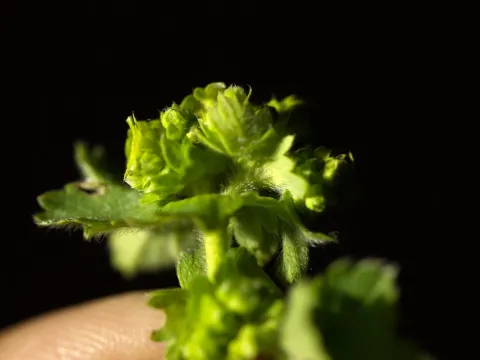
Alchemilla propinqua
Alchemilla propinqua
Alchemilla propinqua, commonly known as a type of lady's mantle, is a perennial plant belonging to the Rosaceae family. Native to mountain regions, it is recognized for its ability to thrive in cool climates and mountainous terrain, adapting well to diverse elevations.
What the section contains
Alchemilla propinqua
The plant requires well-drained, fertile soil to ensure optimal development. While it prefers moist environments, it is essential to avoid waterlogged conditions that can damage the root system. It flourishes in full sun but can tolerate partial shade, making it a versatile species for various agricultural settings.
Agricultural management of Alchemilla propinqua primarily involves weeding during the early stages of growth to prevent competition. The plant is relatively low-maintenance, requiring minimal fertilization; however, supplementing soil with organic matter during the active growing season can enhance leaf mass production.
The primary economic use of this species is in the pharmaceutical and herbal medicine industries. The leaves are rich in tannins and flavonoids, which are processed into extracts for their anti-inflammatory, astringent, and healing properties, widely valued in traditional medicine practices.
In landscaping, Alchemilla propinqua is highly sought after as a ground cover plant due to its unique leaf morphology. Its foliage creates a beautiful appearance by retaining dew drops, adding significant ornamental value to gardens while suppressing weed growth beneath its dense canopy.
The main pathological threat to the crop is powdery mildew, which thrives in high humidity and poorly ventilated areas. Preventive measures, such as proper spacing between plants and ensuring good air circulation, are critical for maintaining the health of the cultivation plot.
Insect pests such as caterpillars and various beetles can occasionally infest the foliage. Monitoring the plant population regularly and employing integrated pest management strategies, including the use of biological control agents, helps in preserving the harvest and maintaining the quality of the medicinal raw material.