
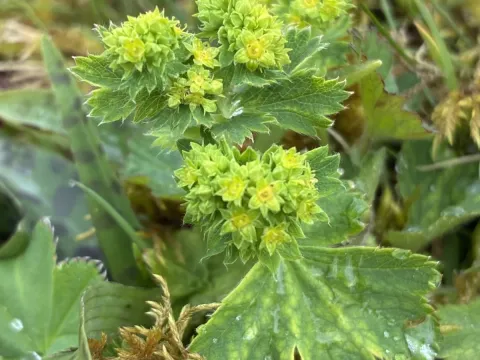
Alchemilla xanthochlora
Alchemilla xanthochlora
Alchemilla xanthochlora, commonly known as lady's mantle, belongs to the Rosaceae family. When cultivating this species, seeds are typically sown in autumn or early spring after a necessary period of stratification to break dormancy.
What the section contains
Alchemilla xanthochlora
Given the tiny size of the seeds, they should be sown shallowly, barely covering them with a thin layer of soil. Greenhouse propagation or seedling trays are recommended to ensure uniform germination and to protect young plants from environmental stress.
In a field setting, spacing should be approximately 30 to 40 centimeters between rows. This spacing allows for proper root development and ensures that plants have enough access to sunlight and nutrients as they mature into established perennials.
Since Alchemilla is a long-lived perennial, careful site selection is crucial. The chosen field should ideally have well-drained but moisture-retentive soil to prevent winter waterlogging, which the plant does not tolerate well.
Initial growth is slow as the plants focus on developing their basal rosette. During this phase, it is vital to keep the area free of weeds, as they can quickly outcompete the young lady's mantle plants for vital resources like light and water.
Alchemilla xanthochlora thrives in moist, fertile soils that are rich in organic matter. Loamy soils with a neutral to slightly acidic pH are ideal for achieving the best vegetative growth and biomass production.
While the plant can tolerate full sun in cool climates, it prefers partial shade. This helps the plant retain its fresh, green appearance and prevents the edges of the foliage from browning during the height of the summer heat.
The species is highly frost-hardy and well-adapted to temperate regions. It survives harsh winters without the need for additional protection, making it a low-maintenance choice for perennial herb cultivation.
Water management is critical; the plants need consistent soil moisture throughout the growing season. Irrigation is recommended during dry spells to ensure continuous leaf development and to maintain the plant's health and vigor.
Fertilization with organic compost in the spring provides the necessary nutrients for robust leaf production. Avoiding excessive nitrogen is advisable, as it may promote overly succulent growth that is more susceptible to environmental pests.
The primary yield from Alchemilla xanthochlora is its foliage, which is used for medicinal and cosmetic purposes. Peak yields are usually achieved from the second year onwards as the root system becomes fully established.
Yield efficiency is maximized when harvesting takes place at the onset of full flowering. At this stage, the plant contains the highest concentration of phytochemicals, which is a key requirement for market-grade herbal products.
Consistent biomass production depends on soil quality and the moisture regime. Regular maintenance, including the removal of old, necrotic leaves, keeps the plant productive and encourages the growth of new, healthy tissues.
In addition to its medicinal value, the plant acts as a beneficial nectar source for pollinators. Maintaining a healthy stand of lady's mantle can improve the overall biodiversity of the farm, providing ecological benefits beyond direct harvest.
Proper management of the plantation ensures that the crop remains productive for five to seven years. Rotating the crop after this period helps to maintain soil fertility and prevents the build-up of specific soil-borne pathogens.
Lady's mantle is generally quite resilient, but excessive soil moisture can lead to root rot. Good drainage is the most effective preventative measure against such diseases, particularly in heavy clay soils.
Leaf spot diseases can occur during prolonged periods of wet, humid weather. Ensuring adequate air circulation by not overcrowding the plants helps to reduce the incidence and spread of fungal pathogens.
Insect pests are rarely a significant problem, as the plant's chemical composition acts as a natural deterrent. Regular field scouting is still recommended to monitor for any signs of herbivory or stress that could affect quality.
Weeds pose the greatest threat to young plantings. Using organic mulches around the base of the plants can help suppress weed growth while simultaneously helping the soil retain moisture during warmer months.
Occasionally, if plants appear stunted or yellow, it is advisable to check for soil compaction or nutrient deficiencies. Correcting the soil structure usually resolves these issues without the need for chemical intervention.
Harvesting is performed by cutting the aerial parts of the plant during the full flowering phase. It is essential to use clean, sharp tools to avoid damaging the base of the plant, which is crucial for its subsequent regrowth.
Harvesting should occur in the dry morning hours after dew has evaporated. This practice minimizes moisture content in the harvested material, which significantly lowers the risk of rotting or fungal growth during the drying process.
Immediate post-harvest processing is vital. The foliage should be spread out in a thin layer in a well-ventilated, shaded area or a low-temperature mechanical dryer to preserve its natural green color and active compounds.
Once dry, the leaves are sorted to remove any foreign debris or damaged plant parts. Quality control at this stage is essential to ensure that the final product meets the standards required for the pharmaceutical and cosmetic industries.
Storage of the finished product requires cool, dry, and dark conditions. Proper packaging, such as breathable paper bags, ensures that the medicinal properties are preserved until the product is sold or processed further.