
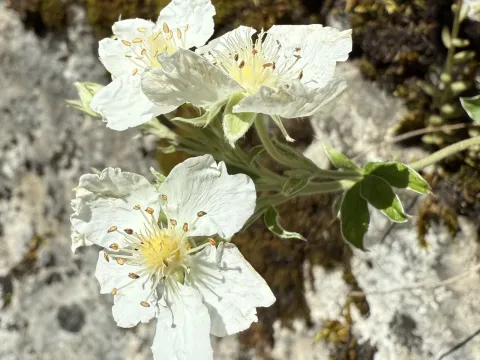
Alchemilla-leaved cinquefoil
Potentilla alchimilloides
Sowing of Potentilla alchimilloides seeds is typically performed in early spring, spanning from March to April. To ensure a high germination rate, the seeds require a period of cold stratification, mimicking the natural transition from winter to spring conditions.
What the section contains
Alchemilla-leaved cinquefoil
Outdoor autumn sowing is also a viable option, allowing the seeds to undergo natural stratification in the soil. The seeds should be sown shallowly, as they are small and require only a fine layer of light, well-draining soil to sprout effectively.
When starting seeds indoors, use modular trays with a sterilized, light substrate. Maintaining consistent moisture levels without waterlogging is crucial for the development of delicate seedlings until they are ready for transplanting into individual containers.
Transplanting seedlings to their final location is recommended once the risk of frost has passed, usually by late May. Providing sufficient spacing between plants encourages good air circulation, which is vital for the health of the basal foliage.
Young plants benefit from a sheltered, sunny spot during their first season. Early establishment is key to their success, so ensuring that the soil is kept slightly moist but not saturated during the initial weeks of growth is essential.
Potentilla alchimilloides belongs to the Rosaceae family and is native to the high altitudes of the Pyrenees. This perennial is perfectly adapted to mountain conditions, featuring attractive, silvery, lobed leaves that resemble those of the genus Alchemilla.
The plant thrives in full sun, requiring at least six hours of direct light daily to maintain its compact growth habit. Shade-grown specimens often become leggy and lose the distinct silver hue of their leaves, reducing their overall aesthetic appeal.
Well-drained, gritty, or rocky soils are ideal for this species. It is particularly well-suited for rock gardens, alpine troughs, or crevices where excess moisture can drain away quickly, preventing the crown rot that this plant is susceptible to.
The species prefers a neutral to slightly alkaline pH. If the native soil is too heavy or acidic, amending it with sand, limestone chippings, or perlite will significantly improve the growing conditions and ensure longevity of the plant.
Maintenance is relatively low, focusing on occasional weeding and spring feeding with a balanced, slow-release fertilizer. The plant is drought-tolerant once established but performs best when given consistent water during prolonged dry spells in summer.
Excessive humidity and poor drainage are the primary threats to Potentilla alchimilloides, frequently leading to fungal infections like powdery mildew or root rot. Ensuring an open planting site with excellent airflow is the best preventative measure.
Common garden pests such as aphids and spider mites may occasionally infest the plants, particularly during hot, dry weather. Regular monitoring allows for early intervention, often using simple horticultural soaps or neem oil to keep populations under control.
Crown rot remains the most significant risk in wet winters. Using a gravel mulch around the base of the plant helps keep the foliage and crown dry, effectively preventing the development of pathogens that thrive in stagnant moisture.
Root-damaging insects, such as vine weevil larvae, can be problematic in some regions. Incorporating organic methods to manage these soil-dwelling pests is recommended to maintain the integrity of the root system without disrupting the garden's ecology.
Spring sanitation is essential for maintaining plant health. Removing dead or damaged leaves from the previous season prevents the buildup of debris where spores of diseases can overwinter, ensuring a healthy start for the new growth season.
Potentilla alchimilloides is primarily cultivated for its ornamental value in landscaping rather than for industrial crop production. The harvest of seeds is the main activity for those looking to propagate the plant or share its beauty in other parts of the garden.
Seeds are harvested once the seed heads have turned brown and dried on the stalk, usually by late summer. The harvested material should be cleaned of chaff and stored in paper envelopes in a cool, dry place to maintain viability until the following spring.
Division of mature clumps is the most efficient way to propagate established plants. This process is best performed every few years, in either early spring or autumn, to keep the plants vigorous and to expand the planting area effectively.
When dividing, ensure each segment has a healthy portion of the root system and several leaves. Replanting these divisions immediately into prepared sites with adequate drainage ensures high success rates and rapid establishment in the new location.
In landscaping, final maintenance involves deadheading spent flowers to prevent unwanted self-seeding and to encourage the plant to direct its energy towards foliage production. This keeps the perennial looking neat and attractive throughout the entire growing season.