
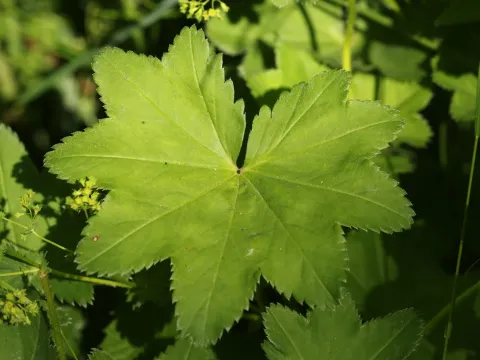
Alchemilla subcrenata
Alchemilla subcrenata
Alchemilla subcrenata belongs to the Rosaceae family. It is a hardy perennial herb that is primarily propagated by seeds, though vegetative division is also common in small-scale farming.
What the section contains
Alchemilla subcrenata
For large-scale cultivation, seeds are sown in late autumn or subjected to stratification before spring sowing to ensure uniform germination rates.
The seeds are exceptionally small and should be sown on the surface of the soil, requiring adequate sunlight exposure to trigger the germination process.
Vegetative propagation involves dividing mature rootstocks during the early spring, ensuring each section has a viable bud for rapid establishment.
The plant is highly resilient to cold climates and does not require protective measures during the winter season in most temperate zones.
The crop thrives in moderately moist, well-draining loamy soils with a slightly acidic to neutral pH balance for the best root development.
While the plant prefers sunny conditions, it demonstrates excellent shade tolerance, making it suitable for agroforestry or complex polyculture systems.
Regular irrigation is necessary to maintain soil moisture during early growth phases, as the plant is susceptible to stress during prolonged drought.
Organic fertilization, using well-rotted compost or manure, is recommended to boost soil fertility and ensure healthy foliage production.
Optimal temperatures for active vegetation range from 15 to 22 degrees Celsius; excessive heat may require additional shading or mulching.
Alchemilla subcrenata is valued for its aerial parts, which contain high levels of tannins, flavonoids, and other beneficial secondary metabolites.
Commercial yields become stable by the second growing season, providing a consistent supply of harvestable biomass for pharmaceutical or fodder uses.
The average yield of dry raw material is approximately 3 to 5 tons per hectare, depending on soil quality and plant density per square meter.
The quality of the harvested biomass is highest when the plant is in the early stages of flowering, marking the optimal window for harvest.
Strategic cutting encourages secondary growth, allowing for multiple harvests within a single season without compromising the plant's long-term health.
Although generally robust, the plant can be susceptible to powdery mildew in environments with poor air circulation or excessive humidity levels.
Caterpillars and other leaf-feeding insects are the most significant pests during the late spring, often requiring integrated pest management.
Root rot, associated with improper drainage or waterlogged soils, is a common threat that can quickly lead to crop loss in poorly prepared fields.
Preventive measures include maintaining adequate spacing between plants and removing debris to promote better air and light penetration.
- Regular weeding practices.
- Monitoring soil moisture levels.
- Applying natural disease control methods.
The harvest should be conducted during dry weather, ideally in the morning after the dew has evaporated, to ensure high quality of the raw material.
After cutting, the biomass must be dried immediately in shaded, well-ventilated areas to prevent fermentation or chemical degradation of components.
Dry material should be stored in breathable containers, such as paper bags or jute sacks, kept in cool, dark, and moisture-controlled conditions.
If cultivated for animal fodder, harvesting must be completed before the stalks become fibrous to maintain the highest possible nutrient density.
Post-harvest management should include a light application of minerals to replenish soil nutrients removed during the growth cycle of the crop.