
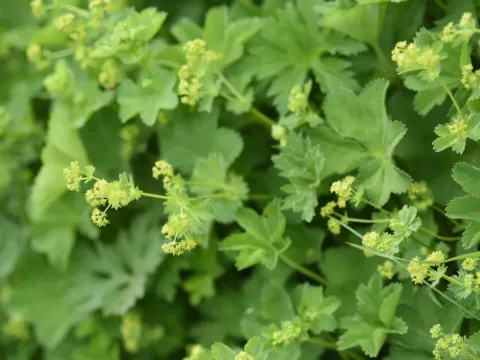
Alchemilla coriacea
Alchemilla coriacea
Alchemilla coriacea, commonly known as a species of Lady's Mantle, belongs to the Rosaceae family. It is a perennial herbaceous plant native to European mountain ranges and subalpine meadows.
What the section contains
Alchemilla coriacea
The plant is highly resilient and thrives in cool, temperate climates. It prefers open, sunny locations but can also tolerate partial shade, making it a versatile choice for various agricultural landscapes.
Cultivation requires well-draining, nutrient-rich soils that maintain moisture without becoming waterlogged. The ideal soil pH ranges from slightly acidic to neutral, promoting optimal root system development and nutrient uptake.
Maintenance involves routine monitoring of moisture levels, as the plant is sensitive to prolonged drought during the peak growing season. Mulching is recommended to retain soil moisture and suppress weed competition.
Economically, this plant is valued in the pharmaceutical industry for its astringent and healing properties. Additionally, it serves as a robust ground cover that helps in soil stabilization on sloped terrains.
Powdery mildew is the most common fungal threat to Alchemilla coriacea, especially in areas with high humidity and limited air circulation between plants.
Root rot occurs primarily due to poor drainage or excessive irrigation, which damages the root system and weakens the overall vigor of the plant during the early growth stages.
Leaf-eating insects, including aphids and various lepidopteran larvae, may pose a risk to the foliage. Monitoring these pests is essential to prevent significant loss of green biomass.
Integrated pest management strategies, such as crop rotation and the use of natural predators, are preferred to minimize the reliance on chemical pesticides in the field.
Regular sanitation of the field, including the removal of dead plant debris, is a critical preventative measure against the overwintering of fungal spores and harmful insect eggs.