
Alchemilla conjuncta
Alchemilla conjuncta
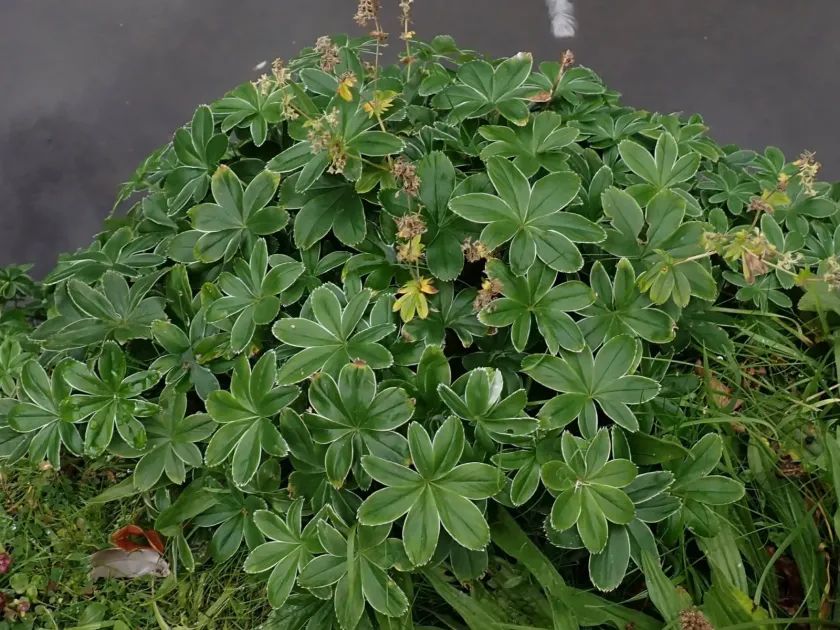
Description
Growing requirements
Alchemilla conjuncta, commonly known as Silver Lady's Mantle, is a perennial herb belonging to the Rosaceae family. It is highly valued in horticulture for its distinct silver-edged foliage and compact, ground-hugging growth habit, making it an excellent choice for alpine and rock gardens.
Originating from the mountainous regions of Europe, this species is well-adapted to high-altitude climates. Its natural habitat implies a high tolerance for rocky, well-draining substrates, allowing it to thrive where more delicate decorative plants might struggle to establish.
The crop requires soil with neutral to slightly acidic pH levels. It is essential to ensure that the site has excellent drainage, as the species is susceptible to root rot if the soil becomes waterlogged, particularly during the dormant winter months.
Alchemilla conjuncta is remarkably hardy and resilient, capable of enduring harsh winter conditions. It prefers full sun to partial shade, which encourages the development of its signature silver leaf margins and keeps the plant compact and healthy throughout the growing season.
Botanically, the plant is characterized by its palmately lobed leaves with silvery undersides and edges, and its small, chartreuse flowers. Its slow-growing nature makes it a stable, long-term feature in landscape design, requiring minimal maintenance once established.
Main diseases and pests
Generally, Alchemilla conjuncta is not prone to major pest or disease outbreaks. Its primary vulnerability lies in soil moisture management; poor drainage inevitably leads to fungal issues, specifically crown rot, which can cause the plant to collapse suddenly.
Powdery mildew can occasionally affect the foliage during periods of high humidity and poor air circulation. Proper spacing between individual plants is recommended to allow for sufficient airflow and to reduce the incidence of fungal pathogens on the leaves.
Insect pests such as aphids may occasionally congregate on the tender stems during the spring. In most cases, these infestations are minor and can be controlled using soft soaps or biological control methods, avoiding the need for harsh chemical treatments.
Weed management is a critical aspect of plant health. Because the plant has a relatively slow growth rate, aggressive weeds can easily outcompete it for nutrients and space. Regular hand-weeding is necessary to keep the area around the plant clean.
Slugs and snails may occasionally feed on the leaves during wet weather. Using barriers like crushed gravel or wood ash around the base of the plant can serve as an effective non-chemical deterrent to protect the foliage from damage.