
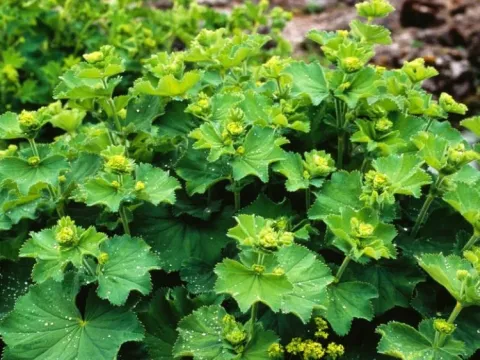
Alchemilla epipsila
Alchemilla epipsila
Alchemilla epipsila is a perennial herbaceous plant belonging to the Rosaceae family. Its natural origin is associated with the mountainous regions of the Caucasus and parts of Europe, where it thrives in moist meadows and forest borders.
What the section contains
Alchemilla epipsila
The crop requires moist, well-drained, and nutrient-rich soils to reach its full vegetative potential. Neutral to slightly acidic soil pH is preferred for optimal nutrient uptake and root development.
Climate requirements for this species include cold hardiness and a preference for cool to moderate temperatures. While it can tolerate full sun in cool climates, partial shade is highly recommended in regions with intense summer heat to prevent leaf scorching.
Standard agrotechnical practices for this plant involve keeping the soil consistently moist but not waterlogged. In the first year, manual weeding is essential until the plants establish a dense ground cover that suppresses competing weeds naturally.
In terms of хозяйственное usage, Alchemilla epipsila is valued both for its medicinal properties, often used in herbal teas, and as a decorative garden plant. Its elegant, scalloped foliage makes it a popular choice for perennial borders and woodland gardens.
Typical diseases include powdery mildew, particularly in conditions of high humidity and poor air circulation. Proper spacing between plants and avoiding overhead irrigation during humid weather significantly reduces the risk of infection.
Pest threats are generally minimal but can include aphids and various leaf-chewing insects. Routine inspection of the foliage is recommended to catch infestations early, allowing for targeted treatment rather than widespread pesticide application.