
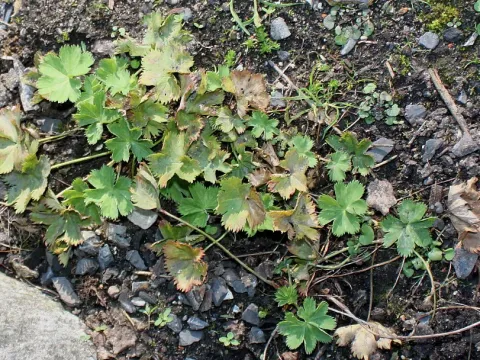
Alchemilla decumbens
Alchemilla decumbens
Alchemilla decumbens is a perennial herbaceous plant belonging to the Rosaceae family. It is typically found in alpine and subalpine regions, displaying a prostrate growth habit that allows it to survive in harsh, high-altitude mountainous environments.
What the section contains
Alchemilla decumbens
The plant features distinctively lobed, pubescent leaves and small yellowish-green flowers. Its biological adaptation to cold temperatures makes it a resilient species, well-suited for cultivation in areas with short growing seasons and cooler climates.
Regarding soil requirements, Alchemilla decumbens thrives in well-draining, moist, and fertile soils. It performs best in neutral to slightly acidic environments and requires good aeration to prevent root rot, which is common in stagnant, waterlogged conditions.
The species prefers sites with moderate sunlight but can also tolerate partial shade. In agricultural settings, it is often utilized for soil stabilization and as a nutritive component in pastures, providing valuable minerals for livestock grazing in mountainous regions.
Proper management of this crop involves ensuring sufficient organic matter in the soil and avoiding excessive fertilization, which can lead to lush but weak growth prone to lodging or disease.
The primary threats to Alchemilla decumbens include fungal infections such as powdery mildew and rust, which often manifest during periods of high humidity and poor ventilation among the foliage.
Pests such as aphids and various larvae can damage the leaves, reducing the plant's overall vigor. In extreme cases, infestations can stunt the growth and significantly lower the biomass production of the stands.
Management strategies include keeping the planting density at optimal levels to improve airflow and reduce microclimatic humidity that favors the development of fungal pathogens.
Regular monitoring during the peak of the growing season is essential for early detection of potential threats, allowing for targeted and efficient remedial interventions.
Integrated pest management, including the encouragement of natural predators and the use of site-specific cultural practices, remains the most sustainable way to protect these stands.