
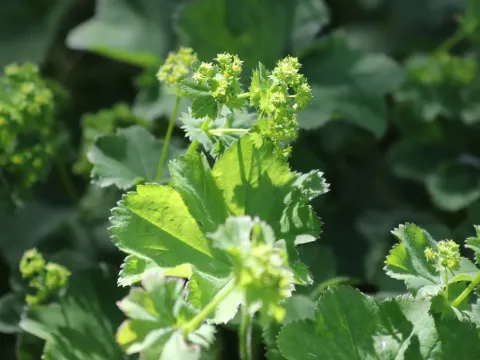
Alchemilla cymatophylla
Alchemilla cymatophylla
Sowing seeds of Alchemilla cymatophylla requires careful preparation, as the seeds benefit significantly from a cold stratification period before germination. It is best to sow seeds in late autumn to allow natural winter temperatures to break seed dormancy and ensure uniform emergence in spring.
What the section contains
Alchemilla cymatophylla
When starting in a greenhouse or nursery, use a light, well-draining potting medium. The seeds should be covered only slightly with soil, as they require a certain amount of light for germination. Maintaining a consistent moisture level is vital, as the seeds are sensitive to drying out during the critical sprouting phase.
Vegetative propagation via root division is a preferred method for expanding established patches. This can be done in early spring or late autumn when the plant is less active. Division ensures that the new plants retain the specific characteristics of the parent, promoting high-quality uniform growth.
When planting, provide a spacing of 30 to 45 centimeters between individual plants. This density prevents overcrowding, which is essential to maintain proper airflow and reduce the humidity around the leaves, thereby creating an unfavorable environment for fungal diseases.
After transplanting, water the plants thoroughly to establish root contact with the soil. Once established, the plants are relatively independent, but during the first year, regular weeding and occasional irrigation are necessary to ensure the plants fully cover the allotted ground.
Alchemilla cymatophylla thrives in fertile, moist, and well-drained soils. While it is adaptable to various soil types, it performs best in soils rich in organic matter, such as loams or silty loams that hold moisture without becoming waterlogged.
This species is well-adapted to moderate climates and is characterized by high winter hardiness. It performs effectively in both full sun and partial shade, although in regions with intense summer heat, light afternoon shade is recommended to preserve the leaf turgor and foliage quality.
The plant requires consistent moisture but is sensitive to prolonged waterlogging, which can cause crown rot. Site selection should prioritize areas with good natural drainage or slopes that allow excess water to run off away from the root zone during heavy rainfalls.
Regarding soil fertility, an annual application of compost or well-rotted manure in early spring is usually sufficient to support growth. Excessive nitrogen fertilizers should be avoided, as they promote overly lush growth that becomes more susceptible to pests and disease.
As a perennial crop, it remains productive for many years on the same site. Periodic mulching with organic materials can help maintain soil moisture and suppress annual weeds, reducing the need for intensive manual cultivation and protecting the shallow root system.
Powdery mildew is the most common fungal disease affecting this plant, especially in humid and stagnant air conditions. To manage this, ensure adequate spacing between plants and avoid overhead watering that splashes water onto the leaves, which can facilitate the spread of spores.
Leaf spots caused by various fungi may also appear under stressed conditions. Removing and destroying affected foliage is the primary control measure. If infection is severe, the use of environmentally friendly copper-based or biological fungicides may be required to protect the healthy plant tissue.
Pests such as aphids and small leaf-eating beetles can occasionally infest the foliage. While these are rarely lethal to established plants, they can damage the aesthetic and medicinal quality of the leaves. Regular scouting is essential to identify early outbreaks and intervene before damage becomes extensive.
Root-knot nematodes can potentially damage the root system in certain regions. To mitigate this risk, it is important to source propagation material from certified, healthy nurseries and avoid rotating the plant into soil previously contaminated with nematode-related pests.
Effective management relies on a clean growing environment and healthy soil microbiology. By removing debris and weeds during the dormant season, growers minimize the overwintering sites for both insects and fungal pathogens, ensuring the health and longevity of the planting.