
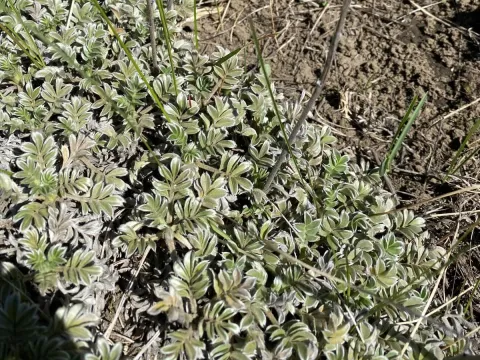
Acaena integerrima
Acaena integerrima
Acaena integerrima, a member of the Rosaceae family, is typically propagated by seeds or division of established clumps. Seeds often require a period of cold stratification to germinate successfully after being dormant.
What the section contains
Acaena integerrima
For best results, sow seeds in late autumn to allow them to experience winter conditions naturally. If sowing in spring, place the seeds in a moist medium and refrigerate them for several weeks before sowing in trays.
Division is the preferred method for established gardens and is best performed in early spring. Carefully lift the plant and separate the creeping stems, ensuring each section has a healthy portion of roots attached.
After dividing or transplanting, keep the area consistently moist but not waterlogged until the plants are well-established. Proper initial spacing ensures that the mat will grow dense and uniform over time.
Using a grit-based potting mix for initial seedling development encourages stronger root systems, which is vital for this high-altitude species. Avoid deep planting, as this can lead to stem rot in young individuals.
Originating from the mountainous regions of South America, Acaena integerrima thrives in cooler climates. It prefers sunny, open positions where it can receive direct light for most of the day.
The plant demands extremely well-draining soil to survive. It is ideally suited for rock gardens, scree beds, or gravel paths where water does not pool, as it is highly sensitive to damp winter conditions.
Soil pH should ideally be neutral to slightly acidic. Incorporating inorganic materials like sharp sand or grit into the planting hole helps maintain the aeration necessary for the creeping rhizomes.
While tolerant of cold temperatures, it benefits from a mulch of stone chippings. This keeps the foliage from touching damp soil and promotes evaporation, preventing the crown from rotting during wet spells.
Supplemental irrigation is only necessary during prolonged dry spells in summer. Otherwise, it is a relatively low-maintenance plant that establishes itself once the root system has penetrated deeply into the soil.
The most significant threat to Acaena integerrima is root rot, particularly when grown in heavy, moisture-retaining soils. Improving soil structure through drainage is the primary defense against this pathogen.
Slugs and snails are the most common pests, as they are attracted to the succulent-like foliage during damp weather. Using copper barriers or organic slug pellets can protect vulnerable new growth during the spring.
Aphids can occasionally colonize flower heads, especially if the plant is stressed by insufficient light or poor air circulation. Targeted application of neem oil or insecticidal soap is usually effective.
Winter wet is a critical factor; if the foliage remains saturated for too long, it can lead to decay. Ensuring that water can flow away from the plant's center is vital for long-term survival.
Fungal leaf spots may occur in crowded plantings with low airflow. Thinning out the plants or increasing the distance between them helps to reduce humidity around the leaves and minimizes disease pressure.