
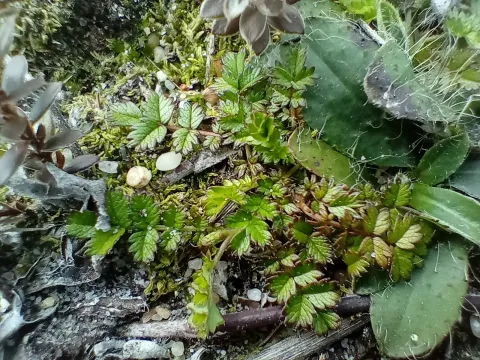
Acaena microphylla
Acaena microphylla
Acaena microphylla, commonly known as Acaena, is a prostrate perennial groundcover belonging to the Rosaceae family. It is native to the diverse landscapes of New Zealand and is prized for its attractive foliage.
What the section contains
Acaena microphylla
This plant thrives in full sun but tolerates partial shade. To ensure optimal growth, it requires well-draining soil, ideally of a sandy or gritty composition that prevents water stagnation.
Climatic requirements involve moderate temperatures, as the plant is adapted to alpine conditions. While hardy, it benefits from protection in regions prone to extreme frost and heavy winter precipitation.
The aesthetic value of Acaena microphylla lies in its fine-textured, dense mats of leaves and its unique, spherical flower heads covered with prickly bracts that emerge during the summer months.
Regarding soil fertility, it is not overly demanding; however, incorporating light organic matter helps maintain soil structure and promotes better spread across rocky areas or garden edges.
The most significant threat to Acaena microphylla is root rot caused by poorly drained soils. Excess moisture around the root zone is the primary cause of plant decline in garden settings.
Pests such as slugs and snails often find the tender, low-growing foliage an appealing food source. These pests can significantly disfigure the carpet-like mats if not managed correctly.
Spider mites can become an issue during prolonged hot and dry periods. If an infestation occurs, it is essential to monitor the foliage and apply appropriate treatments to prevent extensive damage.
Cultural control is highly effective for this species. This includes maintaining a clean garden environment, avoiding overhead irrigation, and ensuring that the plant has adequate air circulation.
- Monitor regularly for signs of yellowing or wilting.
- Use physical barriers to deter slugs in the spring.
- Apply fungicides only when necessary to prevent resistance.