
Acaena buchananii
Acaena buchananii
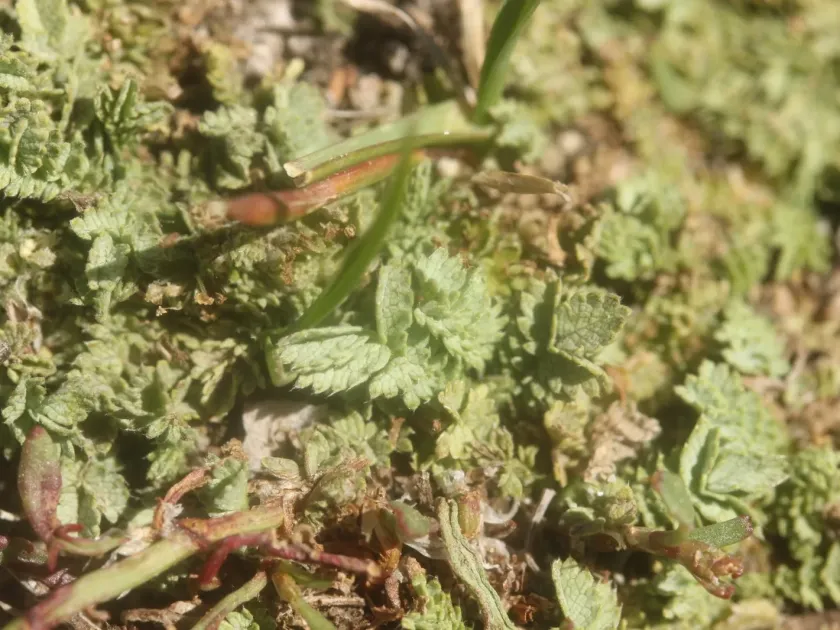
Description
Growing requirements
Acaena buchananii, a member of the Rosaceae family, is a distinct perennial plant known for its low-growing, mat-forming habit. It is highly valued in horticulture for its fine, silvery-green foliage which creates an elegant carpet-like appearance in various landscapes.
Originating from the mountainous regions of New Zealand, this plant has adapted to cooler climates and is widely cultivated in temperate gardens. It thrives in rockeries, between paving stones, or as a dense ground cover for steep banks where traditional turf would be difficult to manage.
The cultural requirements for Acaena buchananii emphasize the need for well-draining soil. It prefers sandy or rocky substrates and performs best in full sun or light shade. Poor drainage is the most significant constraint, as it can quickly lead to root decay.
Regarding climate, the plant is relatively hardy and can withstand moderate frost. During periods of drought, supplemental watering is recommended to maintain the vibrancy of the foliage, although the species is generally considered drought-tolerant once established.
Maintenance is straightforward, focusing on weed control during the establishment phase and occasional thinning of the mat to ensure healthy airflow. Propagation is primarily achieved through division, which is best performed in the spring to allow for rapid seasonal expansion.
Main diseases and pests
The primary threats to Acaena buchananii involve moisture-related pathogens. Overwatering or planting in heavy, clay-rich soil can promote crown rot, which manifests as wilting patches in the dense foliage mat. Ensuring efficient drainage is the best preventative measure.
Slugs and snails are the most common pests, particularly during wet spring weather. These mollusks can leave unsightly holes in the leaves. Using physical barriers like grit or crushed stone around the plant base is a highly effective, eco-friendly method for protection.
Poor airflow within the dense mat can lead to fungal issues such as mold or mildew. To mitigate this risk, it is important not to plant the species in low, stagnant areas and to provide enough space for air to circulate freely around the foliage.
Fertilization should be handled with care; excessive nitrogen encourages weak, succulent growth that is more prone to pest attacks and winter damage. A light application of a balanced granular fertilizer early in the spring is usually sufficient for growth.
General hygiene, including the removal of dead foliage and debris in early spring, is crucial for plant health. This practice removes potential overwintering sites for pests and pathogens, keeping the carpet of Acaena buchananii dense, tidy, and disease-free throughout the season.