
Acaena
Acaena
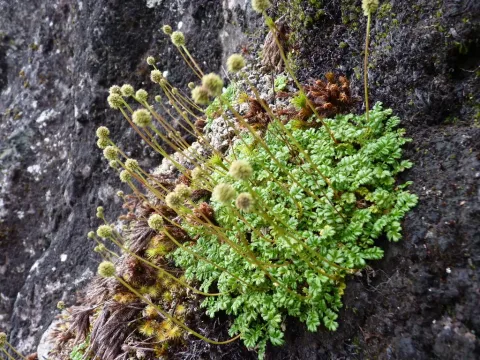
Acaena is a genus of perennial herbs and subshrubs belonging to the Rosaceae family. These plants are characterized by their creeping habit, which allows them to form dense, mat-like mats that effectively cover the ground.
What the section contains
Acaena
The native distribution of Acaena is primarily in the Southern Hemisphere, including New Zealand, Australia, and South America. They are widely appreciated in horticulture for their intricate, often fern-like foliage and unique, burr-like flower heads that persist and turn into decorative seed clusters.
Acaena thrives in sunny or semi-shaded locations with moderately fertile, well-draining soil. The plant does not tolerate waterlogged conditions, making it essential to improve drainage in heavy clay soils using sand or gravel amendments.
While generally hardy, some species benefit from light winter protection in colder climates to prevent desiccation. Maintaining adequate mulch helps retain soil temperature stability and protects the superficial root system during harsh winter months.
This crop is highly valued for ornamental purposes, specifically as a groundcover in rock gardens, borders, and between paving stones. Its ability to create a carpet-like effect makes it a popular choice for low-maintenance landscaping and erosion control on banks.
Root rot is the most common threat to Acaena, often resulting from poorly drained soil or excessive irrigation. Ensuring proper water management is critical for the long-term health and vigor of the planting site.
Powdery mildew may occur if air circulation is insufficient or if humidity levels remain high for extended periods. Regular inspection and the application of fungicides can help manage these fungal outbreaks effectively.
Slugs and snails can cause significant damage to the succulent, young leaves of the plant. Gardeners should employ manual collection, physical barriers, or organic molluscicides to protect the foliage from extensive defoliation.
Aphids might occasionally colonize the soft tips of new growth. These small pests can be managed by using gentle insecticidal soaps or by encouraging natural predators in the garden ecosystem.
Nematodes are less common but can be a serious issue, damaging the root system and stunting plant growth. Using clean planting material and avoiding areas with a history of nematode infestations is the primary strategy for prevention.