
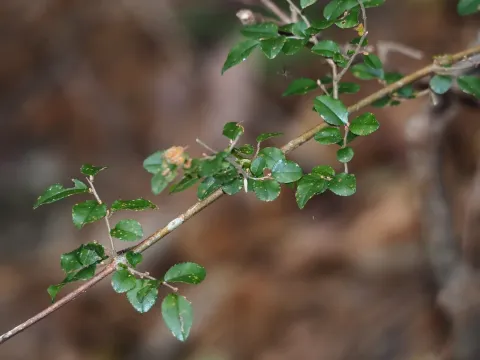
Sageretia
Sageretia
Sageretia is a genus of evergreen or deciduous shrubs and small trees belonging to the Rhamnaceae family. This genus is well-regarded for its fine foliage and aesthetic appeal, making it a staple in the world of ornamental horticulture and bonsai cultivation.
What the section contains
Sageretia
Originating primarily from East and Southeast Asia, these plants thrive in subtropical climates. They naturally occur in environments where moderate rainfall and varying levels of humidity support their growth throughout the year, usually in sheltered forest areas.
The cultivation of Sageretia requires a well-draining soil mix that remains moist but never waterlogged. A substrate composed of organic matter and inorganic components, such as pumice or coarse sand, is ideal for maintaining the health of the root system.
Regarding light, Sageretia prefers bright, indirect sunlight. Exposure to harsh, direct sunlight, especially during the peak hours of summer, can cause significant leaf damage. Consistent lighting ensures the foliage remains dense and the branching habit is strong.
Temperature management is critical for success. The plant prefers stable conditions and should be protected from sudden temperature drops or harsh drafts. In many regions, it is grown in controlled environments to ensure survival during the colder months of the year.
Common pests that affect Sageretia include spider mites, aphids, and scale insects. These pests are particularly prevalent in low-humidity environments, necessitating regular misting or the use of humidity trays to discourage their proliferation.
Root rot is a major threat caused by poor drainage or overwatering. If the substrate remains too wet, the roots are unable to breathe, leading to rapid decay. Ensuring that the surface of the soil dries slightly between waterings is a key preventive measure.
Fungal infections can manifest on the foliage, often appearing as dark spots when the plant is kept in areas with poor ventilation. Improving airflow around the crown is essential for keeping the leaves healthy and fungus-free.
Systemic insecticides are effective in controlling persistent infestations. However, it is always recommended to prioritize manual removal of pests and quarantine any new plants before introducing them to an established collection.
Proper nutritional management through balanced fertilization is essential for building natural resistance against environmental stress. Applying fertilizer during the growing season helps the plant maintain vigor and recover from minor pest damage.