
Rhamnus rugulosa
Rhamnus rugulosa
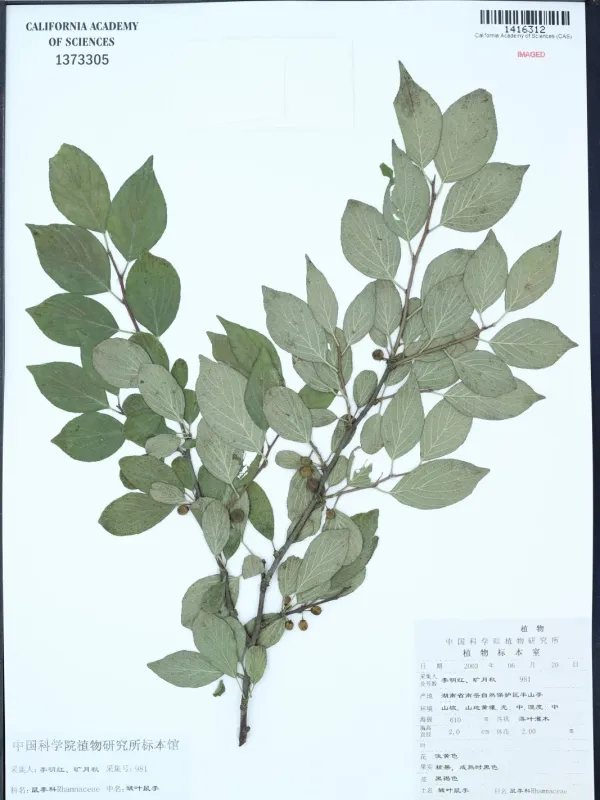
Description
Growing requirements
Rhamnus rugulosa is a perennial shrub belonging to the Rhamnaceae family, natively distributed across high-altitude regions of Asia. This species is valued for its unique morphological features, characterized by deeply rugose (wrinkled) leaves that provide a distinct aesthetic and botanical identity.
Botanically, the plant develops a dense, hardy structure capable of thriving in varied temperate climates. It exhibits a slow but steady growth rate, which allows it to maintain a compact habit suitable for managed agricultural landscapes or ornamental perimeter fencing.
Optimal growth requires well-draining, loamy soils with a balanced nutrient profile. The species is highly sensitive to waterlogged conditions, making proper site selection and soil preparation essential for preventing root-related physiological stresses and ensuring successful establishment.
The shrub favors exposure to full sun, which enhances the leaf texture and density, though it can tolerate partial shade. Its inherent adaptability makes it a resilient candidate for regions where seasonal weather fluctuations are a standard part of the annual agricultural cycle.
Agricultural management should focus on soil aeration and weed control around the base of the plant. Applying organic mulch helps retain soil moisture during the summer months, providing a stable foundation for the shrub's root system to expand and strengthen throughout the growing season.
Yield
The economic utility of Rhamnus rugulosa is primarily centered on its pharmacological potential. The fruits, harvested at peak maturity, are recognized for specific biochemical properties that are highly sought after in the production of traditional herbal supplements and specialized phytomedicines.
In a commercial setting, fruit yield is optimized through consistent pruning practices that encourage the development of young, productive branches. Harvesting is typically carried out manually to ensure that only fully ripened berries are collected, maintaining the highest quality of the final product.
The timber of this species is notable for its durability and structural density. In regions where the plant is abundant, the wood is utilized in small-scale woodworking and artisanal projects, providing a secondary source of value alongside the medicinal harvest of the fruits.
Furthermore, Rhamnus rugulosa provides essential ecological benefits, including soil stabilization on sloped terrain. Its deep and expansive root system acts as a natural deterrent against soil erosion, making it an excellent candidate for integrated land management and reforestation projects.
Yield stability is maintained by monitoring the shrub’s growth cycle and providing supplemental nutrients during the early stages of spring regrowth. Such professional care ensures that the plant remains vigorous and productive, maximizing the return on investment for agricultural growers.
Main diseases and pests
Primary threats to Rhamnus rugulosa include various insect pests, such as aphids and leaf-eating beetles, which can affect the plant's aesthetic and photosynthetic efficiency. Proactive monitoring during the early spring season is critical for detecting infestations before they expand.
Fungal diseases, including powdery mildew, represent a significant concern in high-humidity climates or areas with poor air circulation. Proper spacing between individual plants is a fundamental preventive measure that reduces the microclimate humidity conducive to fungal proliferation.
Leaf rust is another potential issue, especially during excessively wet growing seasons. Mitigation strategies include the prompt removal and disposal of fallen foliage, which helps reduce the overwintering spore count, complemented by the targeted use of fungicides when absolutely necessary.
Root rot, driven by poor drainage, is a lethal threat to the species. Growers must prioritize soil structure management, potentially installing sub-surface drainage systems if planting in heavy soils, to ensure the root zone remains healthy and well-oxygenated throughout the year.
The overall health of a Rhamnus rugulosa plantation depends on a rigorous hygiene program. By regularly removing damaged or dead branches, growers reduce the risk of secondary infections and pest colonization, ultimately fostering a robust and sustainable crop population.