
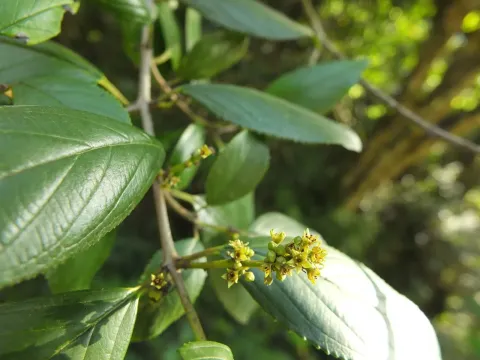
Rhamnus wightii
Rhamnus wightii
Rhamnus wightii is a perennial woody shrub belonging to the Rhamnaceae family. This species originates from the tropical regions of India, specifically thriving in the mountainous terrains of the Western Ghats, where it is well-adapted to specific ecological niches.
What the section contains
Rhamnus wightii
The plant demonstrates a strong preference for warm climates with distinct seasonal rainfall patterns. In agricultural settings, it requires soils with excellent drainage, preferably sandy or loamy textures that are slightly acidic to neutral to support healthy root development.
Sunlight exposure is a critical factor for the vigor of this culture. It requires full sun or partial shade to maximize photosynthetic efficiency, which directly impacts the growth rate and the accumulation of biochemical compounds within its stems and leaves.
Regarding climate, Rhamnus wightii is strictly a frost-intolerant plant. It requires stable warm temperatures to complete its growth cycle. Exposure to freezing temperatures can cause irreversible damage to the vascular system of the shrub, limiting its range to tropical areas.
Agronomic management involves maintaining consistent soil moisture levels during the early stages of growth. While mature plants show some resilience to dry periods, young saplings need careful irrigation to ensure they establish a deep and robust root structure.
The plant is susceptible to various fungal pathogens, especially in environments where air circulation is restricted. Powdery mildew is a common concern that can affect the foliage, resulting in reduced vigor and potential damage to the plant's overall architecture.
Pests such as aphids and spider mites are frequent invaders of Rhamnus wightii plantations. These insects feed on the succulent parts of the plant, potentially causing stunting and vectoring secondary diseases that can rapidly spread if left unmanaged.
Root rot, often caused by waterlogging, remains the most significant threat to the survival of the species. Proper land preparation, including the creation of raised beds or slopes, is essential to prevent the accumulation of water in the root zone.
Integrated pest management (IPM) strategies are recommended for commercial cultivation. This includes monitoring for early symptoms of infestation and utilizing targeted biological controls or appropriate organic-based pesticides to maintain plant health.
Pruning is an essential maintenance task that serves both aesthetic and sanitary purposes. Removing overcrowded branches improves the inner air permeability, significantly reducing the habitat suitability for damp-loving pathogens and harmful insect colonies.