
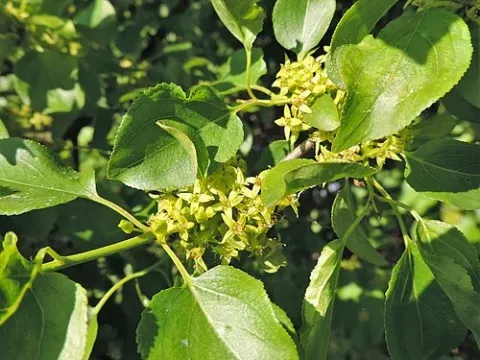
Ribbed buckthorn
Rhamnus cotata
Ribbed buckthorn (Latin: Rhamnus costata) is a perennial shrub or small tree belonging to the Rhamnaceae family. This species is recognized for its robust nature and its significant role in ecological restoration projects and local medicinal practices.
What the section contains
Ribbed buckthorn
Originating from mountainous forest regions, this culture thrives in well-drained, nutrient-rich soils. It demonstrates excellent environmental plasticity, allowing it to adapt to various moisture levels, although it performs best in soils with a slightly acidic to neutral pH.
For successful cultivation, the plant requires a location with adequate sunlight exposure, though it can tolerate partial shade in hotter climates. It is hardy against temperature fluctuations, making it a reliable choice for temperate zone agriculture.
The agrotechnical management of this plant involves periodic pruning to maintain shape and encourage new growth, which is essential for uniform biomass production. Maintaining clear spaces between individual shrubs ensures better air circulation and reduces competition for nutrients.
Economically, Rhamnus costata is utilized primarily for its pharmacological properties. The bioactive compounds found in the bark and berries are extracted for use in digestive supplements, reflecting a long history of traditional and modern herbal applications.
The crop is occasionally susceptible to fungal infections like powdery mildew, particularly in environments with poor air movement. Proper spacing and site selection are the most effective preventive measures against these common physiological disorders.
Insect pests, including aphids and leaf miners, may attack the plant during early summer months. Monitoring for pest activity and applying sustainable horticultural practices helps maintain plant vigor and protects the annual yield of raw materials.