
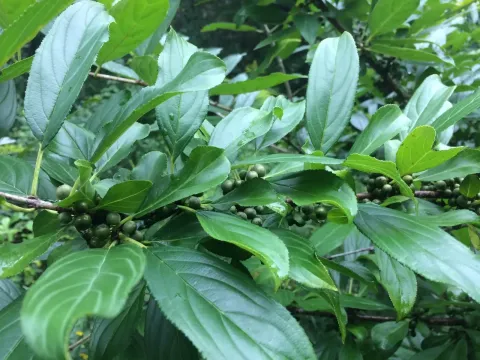
Rhamnus utilis
Rhamnus utilis
Rhamnus utilis, commonly known as Chinese buckthorn, is a deciduous shrub in the Rhamnaceae family, valued for both its medicinal properties and natural dyes.
What the section contains
Rhamnus utilis
Propagation is typically achieved through seeds, which require a period of cold stratification to break dormancy before successful germination can occur.
Seeds should be sown in the autumn in a well-draining nursery bed, allowing the natural freeze-thaw cycles of winter to prepare them for spring emergence.
For those preferring vegetative propagation, hardwood or softwood cuttings taken during the growing season can be rooted in a sand-based medium.
Spacing is essential for the health of the plantation; keeping plants at least 2.5 meters apart ensures sufficient airflow and reduces disease transmission.
This species thrives in locations with full sun exposure, although it displays a remarkable ability to adapt to partial shade during its initial growth phases.
The ideal soil profile consists of well-drained, fertile loams or sandy soils with a neutral pH, avoiding compacted or waterlogged ground at all costs.
Water requirements are moderate, but consistent moisture is necessary, especially during the first two seasons after transplanting into the field.
While relatively hardy, young plants may benefit from protective mulch around the base to stabilize soil temperatures and prevent excessive evaporation.
Strategic windbreaks may be necessary in exposed areas to protect the shrub's foliage from desiccation and physical damage during strong gales.
Economic yields are categorized into bark harvest and fruit production, both of which require specific plant maturity levels to ensure quality.
Bark is typically harvested from plants that are at least 7 years old, where the trunk diameter has reached a point to allow for sustainable stripping.
Fruit yield is dependent on crown development; mature specimens provide consistent harvests once the shrub reaches its full vegetative potential.
Regular pruning cycles are implemented not just for shape, but to stimulate the production of young, vigorous stems which are easier to harvest.
Proper nutrient management, particularly phosphorus and potassium levels, directly influences the concentration of active compounds within the harvested parts.
The most significant threats to Rhamnus utilis are foliar fungal pathogens such as rust, which proliferate rapidly in high-humidity microclimates.
Aphids and various leaf-eating beetles can cause significant aesthetic and physiological damage if their populations are left unchecked during the spring.
Integrated Pest Management (IPM) strategies, including the use of beneficial insects and selective bio-fungicides, are recommended for maintaining plantation health.
Proper plant spacing and canopy management are primary cultural practices that mitigate the risk of disease outbreaks caused by stagnant air.
Periodic scouting for signs of chlorosis or leaf curling is necessary to address nutritional imbalances or early pest infestations before they spread.
Bark harvesting is strictly timed to the early spring period, as the high sap flow ensures the bark peels away from the inner wood with minimal effort.
Fruits are gathered during late summer and autumn when they reach peak pigmentation, indicating the highest concentration of tannins and dye pigments.
Post-harvest processing involves rapid drying in well-ventilated, shaded environments to prevent fermentation or fungal growth on the moist plant tissue.
Once dried to the appropriate moisture content, the product must be stored in cool, dark, and dry facilities to maintain its chemical potency over time.
Care must be taken during the harvest of bark not to girdle the tree, ensuring that a significant portion of the circumference remains intact for recovery.