
Sageretia hamosa
Sageretia hamosa
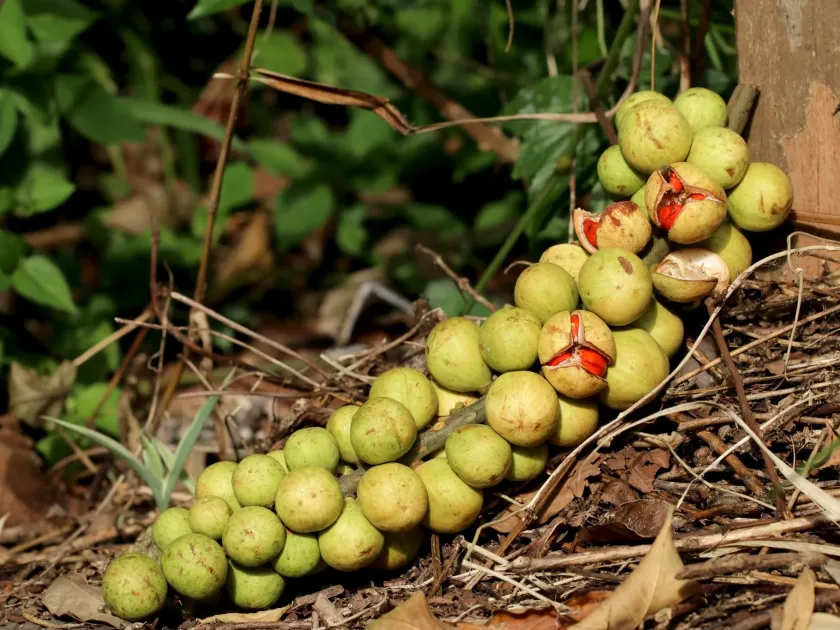
Description
Growing requirements
Sageretia hamosa is a woody climbing shrub belonging to the Rhamnaceae family. This species originates from the mountainous regions of East Asia, thriving in humid, temperate, and subtropical environments where it uses its characteristic hooked branches to climb over neighboring vegetation.
Botanically, the plant is distinguished by its leathery, serrated leaves and the ability to grow as a dense, woody climber. Its unique growth habit makes it a fascinating specimen for both botanical research and practical landscaping, as it can adapt to various support structures.
To cultivate this species successfully, it requires well-drained, nutrient-rich soil. It is highly sensitive to waterlogged conditions, making proper soil aeration a key component of its agronomy. It thrives in locations that offer partial shade, avoiding the harsh intensity of direct midday sun.
Climatic requirements are specific to subtropical zones, as Sageretia hamosa does not possess high tolerance for severe, prolonged frost. In temperate regions, it is often kept in pots or sheltered garden areas to protect the root system from freezing during winter months.
Economically, the plant is valued for its ornamental characteristics. It is frequently utilized in gardens as a climbing hedge or in containers for artistic pruning, particularly within the art of bonsai, due to its resilience to shaping and its slow, controlled development.
Main diseases and pests
The primary threats to the health of Sageretia hamosa are fungal infections often caused by excessive ambient humidity and poor ventilation. Leaf spot and powdery mildew are common symptoms that appear when the plant's environment lacks sufficient airflow.
Pests such as spider mites and scale insects are frequently reported in cultivated settings. These pests tend to colonize the undersides of leaves and stems, causing yellowing, leaf drop, and a general decline in the plant's overall vitality if left untreated.
Integrated pest management is essential for this species. Regular monitoring, combined with the application of horticultural oils or organic soap solutions, can effectively manage infestations without exposing the plant to harsh chemical stress.
Maintenance practices, such as sanitizing garden tools and performing selective pruning, are critical to prevent the spread of infections. Removing dead or diseased branches helps maintain the structural integrity of the plant and promotes healthy new growth.
Winter dormancy brings its own set of challenges, particularly the risk of root rot if the watering schedule is not adjusted. Keeping the soil slightly on the drier side during the cooler months is a vital agronomic measure to preserve the plant's roots until spring.