
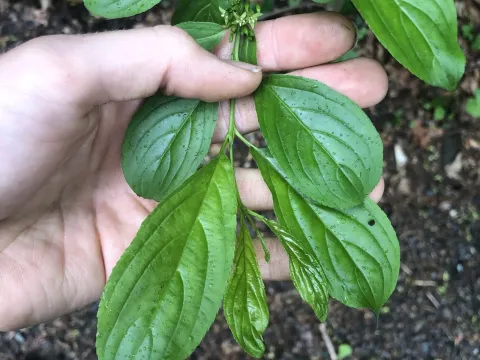
Rhamnus virgata
Rhamnus virgata
Rhamnus virgata is a deciduous perennial shrub belonging to the Rhamnaceae family. Native to the mountainous regions of Asia, specifically the Himalayan belt, this species is well-adapted to cooler temperate climates and thrives in varied environmental conditions.
What the section contains
Rhamnus virgata
The plant demonstrates a strong preference for well-drained, fertile soil types. While it is relatively tolerant of different soil compositions, it performs optimally in soils with a slightly acidic to neutral pH level. Proper site selection must ensure adequate exposure to direct sunlight.
Cultivation requires regular monitoring of moisture levels, as the plant does not tolerate prolonged waterlogging. During the initial growth phase, irrigation is critical to establish a robust root system, whereas mature plants exhibit higher drought resistance.
Management practices include annual pruning during the dormant season to maintain plant vigor and improve structural form. As a hardy plant, it requires minimal fertilization, though a balanced application of organic matter in spring encourages healthy foliage development.
The economic value of this species is primarily found in its ornamental potential and traditional medicinal applications. It serves as an excellent hedge plant, contributing to soil conservation due to its extensive and dense root network.
Common health issues in Rhamnus virgata often involve fungal pathogens triggered by poor ventilation or excess humidity. Powdery mildew and leaf spot are the most frequent diseases encountered in poorly managed orchard or garden settings.
Insect pests such as aphids and leaf rollers may occasionally infest the foliage. Integrated pest management strategies, including monitoring and localized treatments, are usually sufficient to maintain plant health throughout the growing season.