
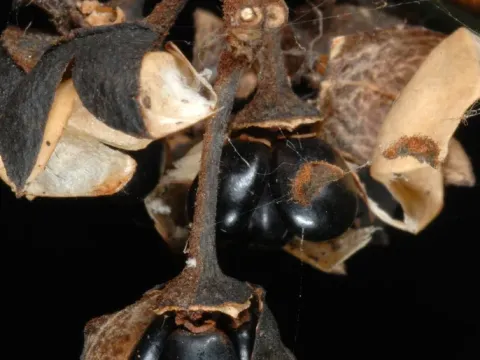
Colubrina
Colubrina
The Colubrina genus, belonging to the Rhamnaceae family, consists of shrubs and trees widely distributed across tropical and subtropical regions. These plants are known for their resilience and are often found in coastal and dry forest ecosystems.
What the section contains


Colubrina
Colubrina plants thrive in full sun exposure. Adequate light is essential for their photosynthetic activity and structural development, as shaded environments often result in sparse foliage and reduced growth rates for most species in this genus.
The soil requirements for Colubrina include excellent drainage. While the plants can tolerate a variety of soil types ranging from sandy to slightly rocky substrates, they are intolerant of prolonged waterlogging, which quickly leads to root rot.
Climate conditions are a critical factor for successful cultivation. The genus prefers warm, frost-free environments. While established plants are notably drought-tolerant, supplemental irrigation during the initial stages of establishment is recommended for optimal performance.
From a commercial perspective, Colubrina species are valued for both their ornamental potential and their wood. Some species produce dense, durable timber that has been historically utilized for carpentry, boat building, and small-scale manufacturing of household items.
Fungal pathogens remain the most significant threat to the health of Colubrina, especially in humid climates. Infections typically manifest as leaf spots or stem cankers, which require professional fungicide applications to manage the spread.
Insect pests, particularly aphids and scale insects, frequently target tender growth. These pests extract sap, weakening the plant's structural integrity and often acting as vectors for viral and secondary fungal infections within the canopy.
Root-knot nematodes are an underground threat that can severely limit nutrient uptake in young specimens. Soil solarization or the use of organic amendments to enhance beneficial soil biota are common strategies for mitigating nematode pressure.
Preventive maintenance is essential in professional cultivation. This includes regular canopy thinning to ensure proper airflow, which reduces humidity levels within the plant structure and discourages the establishment of fungal spores.
Integrated Pest Management (IPM) is the most effective approach for this crop. By balancing manual intervention, environmental control, and targeted biological or chemical treatments, growers can maintain high-quality stands while minimizing ecological impact.