
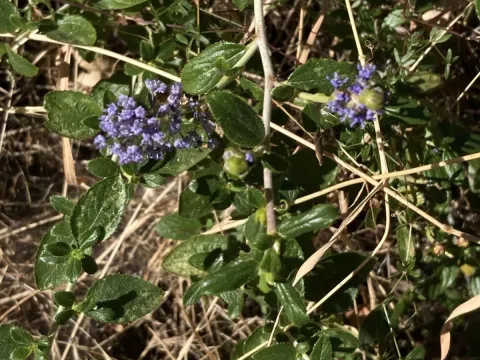
Lemmon's ceanothus
Ceanothus lemmonii
Lemmon's ceanothus (Ceanothus lemmonii) is a perennial shrub belonging to the Rhamnaceae family. Native to California, this plant is well-adapted to rocky slopes and dry, well-drained environments characteristic of its natural habitat.
What the section contains
Lemmon's ceanothus
The plant thrives in full sun and requires soil with excellent drainage. In agricultural settings, it is essential to avoid sites with heavy, clay-based soils that retain water, as the species is highly susceptible to root rot.
Climate requirements include mild winters, as the plant is not frost-hardy in colder regions. It performs best in Mediterranean-type climates, where it can develop a deep root system and survive periods of seasonal drought.
Agrotechnical maintenance focuses on minimal intervention. Once established, the shrub requires very little supplemental water or fertilization. Light pruning after flowering is recommended to maintain the plant's shape and encourage dense growth for the following season.
Host use of this culture includes ornamental landscaping, xeriscaping, and erosion control. Its vibrant flowers make it a popular choice for gardens aiming to support local pollinator populations, such as bees and butterflies.
Root rot is the most significant threat to the health of Lemmon's ceanothus, typically caused by overwatering or poor drainage. Once root pathogens are established, it is extremely difficult to restore the health of the plant.
Pests such as scale insects and spider mites are common in hot and dry weather conditions. These insects can cause leaf yellowing and reduced vigor, requiring timely inspection and, if necessary, targeted treatments to control the population.
Powdery mildew may occur during periods of high humidity and poor airflow. To mitigate this risk, gardeners should ensure sufficient spacing between plants and avoid overhead watering that keeps the foliage damp for extended periods.
Verticillium wilt is another serious threat that can lead to sudden branch dieback. It is crucial to source healthy nursery stock and avoid planting in areas where susceptible plants have previously suffered from soil-borne diseases.
Integrated pest management strategies are highly recommended for this shrub. Regularly removing dead or diseased branches helps improve air circulation and significantly reduces the environment suitable for pathogen development.