
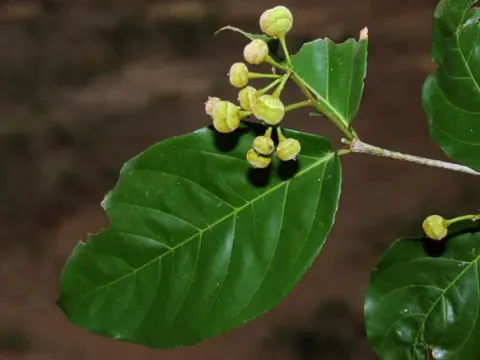
Lasiodiscus
Lasiodiscus
The genus Lasiodiscus comprises a group of tropical trees and shrubs belonging to the Rhamnaceae family. These plants are native to the tropical regions of Africa, typically found in dense forest understories where they thrive in competitive light conditions.
What the section contains
Lasiodiscus
They require a tropical climate characterized by consistently warm temperatures and high humidity. In agricultural practice, they perform best in well-drained, nutrient-rich soils that are consistently moist, mirroring their natural environment.
Botanically, Lasiodiscus species are distinguished by their simple, alternate leaves and distinctive pubescence (hairiness) on young branches and floral parts. This morphological trait is key for species identification within the genus.
In terms of agricultural utility, these plants are primarily valued in agroforestry systems. Their role involves enhancing soil stability and biodiversity within tropical farming landscapes, rather than serving as intensive commercial crops.
Cultivation practices focus on maintaining shade levels and protecting the root zones from environmental stress. Proper site selection is crucial, as these plants are not suited for intensive monoculture or regions with significant seasonal frost or drought.