
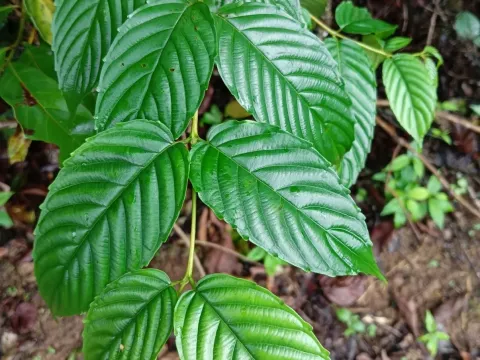
Maesopsis
Maesopsis
Maesopsis, specifically Maesopsis eminii, is a prominent tree belonging to the Rhamnaceae family. It is a large, evergreen species native to the tropical regions of Africa.
What the section contains

Maesopsis
The tree thrives in humid tropical environments, requiring consistent rainfall and fertile, well-draining soils to reach its maximum growth potential.
As a light-demanding pioneer species, Maesopsis grows rapidly in open areas, often colonizing degraded forest lands and abandoned agricultural fields.
Optimal climatic conditions for this species involve stable, warm temperatures throughout the year, as it does not tolerate frost or extreme cold.
In agroforestry systems, it is often utilized as a canopy tree, providing necessary shade and organic matter for understory crops like coffee and cocoa.
The primary economic output of Maesopsis is its high-quality timber. It is highly sought after due to its fast maturation cycle, often harvested within 20 years.
The wood is lightweight, durable, and versatile, making it an excellent material for indoor furniture, interior joinery, and general construction purposes.
Ecologically, the fruits of the Maesopsis tree provide a vital food source for avian and primate populations, supporting wildlife diversity in managed forests.
The biomass production of Maesopsis is exceptionally high, which makes it an ideal candidate for reforestation projects aimed at sequestering carbon.
Regular harvesting and thinning strategies allow landowners to maintain continuous production while ensuring the long-term health of the plantation.
Timber borers and various wood-boring insects represent the most significant threat to the commercial value of the wood, as they can cause extensive structural damage.
Fungal pathogens can affect plantations, especially in regions with prolonged wet seasons where humidity fosters the growth of stem and leaf diseases.
Early-stage growth is often impeded by weed competition, necessitating systematic maintenance and clearing around the base of young seedlings.
The risk of invasive spread is a significant management concern, as Maesopsis can proliferate uncontrollably in certain ecological niches if left unmanaged.
Improper site selection, such as planting in waterlogged soils, can lead to stunted development and increased susceptibility to opportunistic pests and infections.