
Geyer's larkspur
Delphinium geyeri
Description
Growing requirements
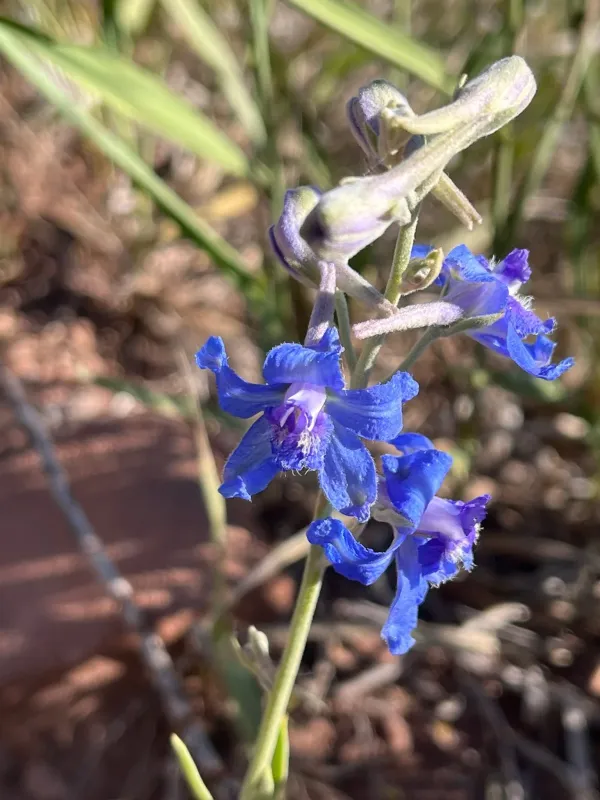
Geyer's larkspur (Delphinium geyeri) is a hardy herbaceous perennial belonging to the Ranunculaceae family. Native to the high plains and mountainous regions of the Western United States, this species has evolved to thrive in environments with distinct seasonal cycles and significant sun exposure.
Botanically, the plant is recognized by its deep-set taproot and finely divided, palmate foliage. Its architecture is adapted to withstand prairie winds, while the iconic blue floral spikes serve as a vital nectar source for local pollinators during the peak blooming season.
Successful cultivation of Delphinium geyeri demands well-drained, sandy, or gravelly soil conditions. Unlike many other garden cultivars, this species is highly sensitive to waterlogging; therefore, choosing a site with excellent soil aeration is mandatory to ensure long-term plant health and vigor.
The climate requirements for this species are centered on full sun exposure and well-defined cold dormancy periods. It is highly drought-tolerant once established, thanks to its deep root system, making it an excellent candidate for low-maintenance landscapes that mimic its natural habitat.
Agricultural management should focus on weed control, particularly during the seedling phase, as the plant grows slowly in its first year. Regular monitoring for soil compaction is necessary, and supplemental potassium fertilization can be provided to support structural integrity and spike development.
Main diseases and pests
The primary pathological threats to Geyer's larkspur include fungal diseases such as powdery mildew and crown rot, which often occur due to poor air circulation or excessive soil moisture. Strategic spacing and the removal of plant debris from the previous season are essential preventive measures.
Pests like aphids and leaf miners can cause significant damage to the foliage, potentially weakening the plant over time. Integrated pest management, involving the introduction of beneficial insects or targeted organic sprays, is recommended to manage populations without disrupting the surrounding ecosystem.