
Garidella nigellastrum
Garidella nigellastrum
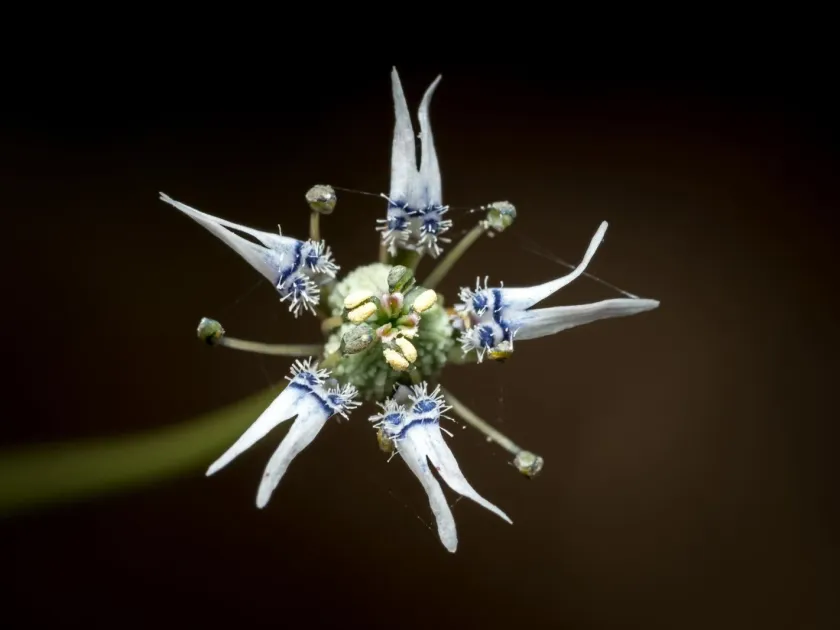
Description
Sowing dates
Garidella nigellastrum is an annual herbaceous plant belonging to the Ranunculaceae family. Sowing is typically carried out in early spring as soon as soil temperatures reach a stable 5–8 degrees Celsius.
Consistent soil moisture is essential during the germination phase to ensure uniform emergence, as the seeds are sensitive to desiccation in the topsoil layer.
The standard agricultural practice involves row sowing with spacing between 30 and 45 cm, which allows for efficient mechanical weeding and adequate ventilation for the plants.
Seeds should be sown at a shallow depth of 1–2 cm, as the small size of the seeds limits their energy reserves to emerge from deeper soil layers.
The seeding rate is adjusted according to seed viability and soil preparation, generally ranging from 6 to 10 kg per hectare to achieve an optimal plant population.
Growing requirements
This crop is highly photophilous, meaning it requires full exposure to direct sunlight throughout the entire vegetative cycle for healthy growth and seed development.
It thrives in light, fertile soils such as sandy loams or well-draining loamy soils with a neutral pH level, avoiding compacted or heavy clay grounds.
Proper drainage is a vital requirement, as the plant cannot tolerate waterlogging, which often leads to root rot and the subsequent failure of the entire crop.
Supplemental irrigation may be necessary during prolonged dry spells, particularly when the plant transitions into the flowering and pod-filling stages.
The ideal temperature range for active growth is between 18 and 25 degrees Celsius, although the plant displays a moderate tolerance to cool spring nights.
Main diseases and pests
The primary threats include fungal diseases such as powdery mildew and various root rots, which are particularly prevalent during periods of high humidity and poor air circulation.
Common insect pests include aphids and mites, which can infest the foliage and drastically reduce the plant's vigor if left unchecked during the peak growth season.
Weed control is critical during the seedling stage because the crop lacks competitive vigor early in its life cycle and can easily be suppressed by faster-growing weeds.
Disease prevention strategies focus on strict crop rotation, ensuring that the plant is not re-introduced to the same field for at least three to four years.
Integrated pest management, including the use of biological control agents, is recommended to mitigate damage while maintaining the safety and quality of the harvested produce.
Harvesting
Harvesting should occur when the seeds have reached full maturity, marked by the hardening and darkening of the seed pods and the internal seed coat.
Timely harvest is essential to prevent seed shattering; if left too long in the field, the pods can spontaneously open, causing significant yield losses.
It is best to perform the harvest during the early morning hours, as higher humidity levels help keep the pods slightly more pliable and prevent premature shattering.
Post-harvest processing includes immediate drying and thorough cleaning to remove debris and foreign particles, ensuring the seeds are ready for storage or processing.
Careful handling during threshing is necessary to avoid mechanical damage to the seeds, as their structural integrity is important for both oil extraction and culinary uses.