
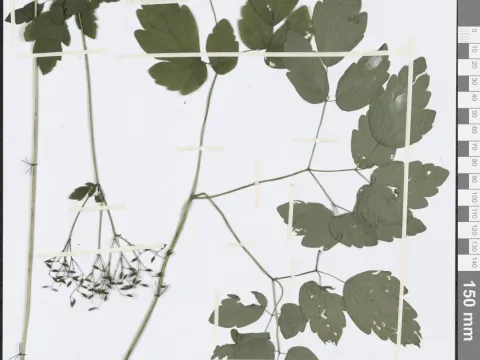
Tuberous meadow-rue
Thalictrum tuberiferum
The tuberous meadow-rue (Thalictrum tuberiferum) is a perennial plant belonging to the Ranunculaceae family. It is distinct due to its specialized tuber-like root structures, which act as energy reservoirs to support plant growth and survival in varying environmental conditions.
What the section contains
Tuberous meadow-rue
This species thrives in partial shade environments with moist, fertile, and well-draining soil. It is critical to ensure that the site has excellent soil structure, as heavy, waterlogged clay soils can cause the tuberous roots to rot over time.
The plant performs best in a neutral to slightly acidic soil pH. Adding organic matter such as leaf mold or compost during the planting phase significantly enhances nutrient availability and improves the water retention capacity of the growing medium.
Agricultural management requires consistent moisture levels, especially during the active spring growth phase. While the plant is hardy, it benefits from mulch applied in late autumn to insulate the soil and protect the roots from extreme temperature fluctuations in winter.
Propagation is typically achieved through division of the root tubers or by seed. Proper spacing is essential to ensure adequate airflow between plants, which is a key factor in preventing foliage-related issues throughout the growing season.
Powdery mildew is a common fungal issue that affects the leaves of Thalictrum tuberiferum, particularly when humidity is high and air circulation is restricted. Preventive measures include proper plant spacing and avoiding overhead irrigation.
Aphids and spider mites are the most frequent insect pests. These pests cause damage by feeding on cell sap, which leads to leaf yellowing and stunted plant development. Integrated pest management using insecticidal soaps is recommended.
Root rot caused by pathogens like Pythium or Phytophthora can occur in poorly drained conditions. Ensuring a professional-grade drainage system in the planting beds is the primary defense against these soil-borne threats.
Gastropods, including slugs and snails, may attack tender young shoots early in the spring. Protective barriers, such as copper tape or organic baits, can be used to mitigate damage during the vulnerable early growth stage.
Regular monitoring for leaf spots or unusual wilting is necessary to ensure early intervention. Maintaining high hygiene standards by removing dead debris at the end of the season prevents the overwintering of many common agricultural pests and diseases.