
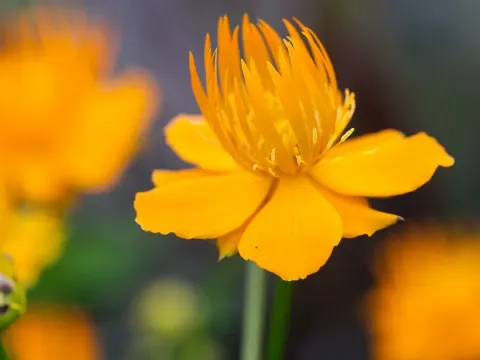
Trollius hondoensis
Trollius hondoensis
Propagation of Trollius hondoensis is primarily achieved through seed sowing. Seeds require a prolonged cold stratification period to break dormancy, making autumn sowing the most effective method.
What the section contains
Trollius hondoensis
When using a nursery propagation system, seeds should be sown in a high-moisture substrate. Consistency in temperature during the winter months is critical for ensuring uniform germination.
Vegetative propagation, specifically dividing mature clumps, is best performed in early spring. This allows the root system to re-establish before the peak heat of the summer season.
Depth control during sowing is essential; seeds should be covered with only a thin layer of soil to maintain optimal moisture levels while providing enough darkness for development.
Seedlings undergo a slow initial development phase. During the first year, providing adequate moisture and protection from intense environmental stress is crucial for survival.
Trollius hondoensis belongs to the Ranunculaceae family and is an ornamental perennial native to the mountainous regions of Japan. It is prized for its vibrant aesthetic appeal.
This crop has high water requirements. Successful cultivation demands sites with consistent soil moisture levels, such as the margins of garden ponds or areas with shallow water tables.
The ideal soil type for this species is nutrient-rich loam with high organic matter content. The soil pH should ideally remain within the neutral to slightly acidic range for best performance.
It is a cold-hardy plant capable of surviving harsh winter conditions typical of temperate climates, provided that a layer of snow covers the dormant rootstocks.
Optimal site selection includes partial shade or filtered light. Direct, harsh sunlight should be avoided to prevent desiccation and premature wilting of the foliage.
Powdery mildew is the most prevalent fungal disease affecting this crop. Management includes maintaining adequate plant spacing to ensure airflow and using appropriate fungicidal treatments if necessary.
Leaf spot diseases may appear during periods of high humidity. Removing and destroying infected plant tissue helps reduce the buildup of fungal spores in the environment.
Aphids are common pests that attack the developing buds and foliage. Early identification and the use of targeted insecticides can effectively prevent significant damage to the plant structure.
Leaf miners can cause visible damage to the leaf tissue. Regular monitoring is encouraged, as manual removal of infested leaves is often sufficient to control minor outbreaks.
Root-knot nematodes can be a limiting factor in long-term cultivation. Implementing proper crop rotation or using soil sterilization techniques can prevent soil-borne pest accumulation.