
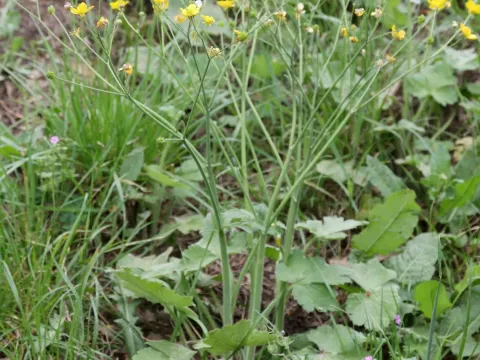
Velvet buttercup
Ranunculus velutinus
The velvet buttercup, scientifically known as Ranunculus velutinus, is a perennial herbaceous plant belonging to the Ranunculaceae family. It is distinguished by its unique velvety foliage, which gives it a soft texture and high ornamental value in gardens.
What the section contains
Velvet buttercup
Native to Mediterranean regions, this plant thrives in environments that offer moderate temperatures and consistent, though not excessive, moisture levels. It is typically found in habitats that provide a balance of sunlight and partial shade during the hottest parts of the day.
Soil requirements for this species focus on fertility and drainage. The plant prefers well-draining loamy soils rich in organic matter, which allow the roots to breathe while maintaining sufficient water supply for optimal metabolic processes during the growing season.
Climatic adaptability is a strong suit of this culture, as it is relatively resilient to varied weather patterns. However, it performs best in regions where extreme droughts or waterlogged soils are avoided, ensuring the plant can establish a robust root system.
Economically, the plant is valued in the horticultural industry for its ease of care and visual appeal. It is commonly utilized in landscaping projects that emphasize naturalistic planting schemes, woodland borders, and pollinator-friendly garden designs.
Powdery mildew is a primary concern for the velvet buttercup, especially in conditions where air circulation is restricted. Providing adequate spacing between individual plants is the most effective cultural practice to mitigate the risk of fungal infections.
Pests such as aphids and spider mites can infest the leaves, leading to chlorosis and stunted growth. Regular inspection of the foliage is recommended to detect early signs of infestation and apply targeted management strategies when necessary.
Root rot remains a critical threat, particularly in soils that lack proper drainage. Gardeners must ensure that the site allows excess water to move away from the plant base to prevent the collapse of the root tissue during dormant or wet periods.
Slugs and snails may occasionally feed on young growth, causing significant cosmetic damage to the plant leaves. Implementing barriers or monitoring the area during damp weather can effectively manage these populations without damaging the plant itself.
Maintaining plant vigor through balanced fertilization and appropriate site selection helps the velvet buttercup resist potential pests and diseases naturally. A healthy plant remains the best defense against environmental stressors and biotic threats.