
Veitch's Clematis
Clematis veitchiana
Description
Growing requirements
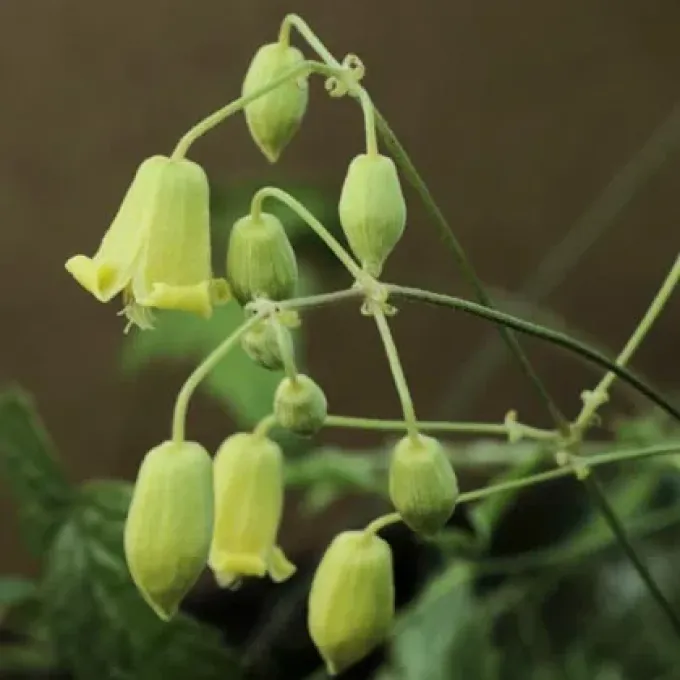
Veitch's Clematis (lat. Clematis veitchiana) is a woody deciduous vine belonging to the Ranunculaceae family. Native to the mountainous regions of Western China, this plant is well-adapted to temperate climates and is highly regarded for its vigorous climbing habit and unique appearance.
The plant thrives in locations with full sun to partial shade, provided the roots are kept cool and shaded. Successful cultivation depends heavily on soil quality: well-drained, fertile, neutral to slightly alkaline soil is essential to prevent root rot and promote healthy vegetative development.
Agronomic practices for this culture include consistent watering, particularly during dry spells, while ensuring that the root zone remains sufficiently aerated. Mulching is highly recommended to protect the root system from excessive heat and to retain moisture in the soil throughout the summer months.
Veitch's Clematis exhibits rapid growth, necessitating strong and reliable supports. Providing a sturdy trellis or fence allows the plant to climb effectively using its sensitive petioles, ultimately creating a dense and aesthetically pleasing screen or vertical feature.
In terms of usage, this clematis is a staple in ornamental horticulture. It is frequently deployed to cover large vertical surfaces, such as walls, pergolas, and arbors, offering an efficient way to enhance garden aesthetics and provide privacy in residential and park settings.
Main diseases and pests
Fungal pathogens represent the most significant threat to the health of Veitch's Clematis. Clematis wilt is a particularly destructive condition that affects the vascular system, often leading to sudden collapse and the death of individual stems or entire sections of the plant.
Powdery mildew is another common issue, especially during periods of high humidity and poor ventilation. This fungal infection forms a dusty white layer on foliage, which hampers photosynthesis and significantly reduces the plant's ornamental appeal if left untreated.
Pest pressure from aphids and spider mites can be substantial during the spring and summer. These sap-sucking insects target tender new growth, causing leaf curling, discoloration, and overall stress, which weakens the plant's natural resilience against other diseases.
Root rot, driven by poor drainage and excessive irrigation, serves as a primary driver for secondary infections. Maintaining soil health through proper site preparation and the avoidance of over-watering are critical preventative measures for ensuring long-term plant longevity.
Integrated pest management, including regular sanitation through pruning and the application of fungicides when necessary, is recommended. Keeping the plant vigorous through balanced nutrition ensures it can effectively recover from minor pest or environmental stress.