
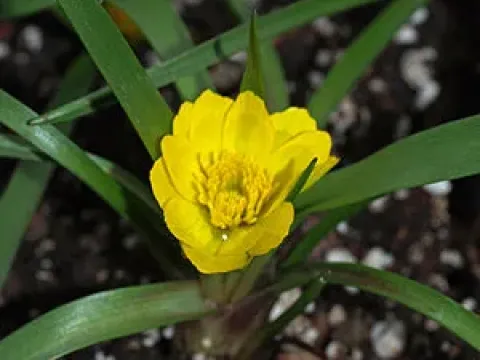
Unusual buttercup
Ranunculus abnormis
The Ranunculus abnormis is a specialized herbaceous perennial belonging to the Ranunculaceae family. Native to high-altitude regions in the Iberian Peninsula, this species is uniquely adapted to thrive in rocky crevices and alpine meadow habitats with short growing seasons.
What the section contains
Unusual buttercup
Botanically, the plant is characterized by a dense rosette of leaves and distinctive flowers. Its root system is particularly well-developed, serving as an energy reservoir that allows the plant to emerge rapidly during the spring thaw, which is critical for its survival in harsh alpine environments.
Cultivation of this species requires meticulous attention to soil structure. A well-draining, gritty substrate mimicking its natural mountain habitat is essential. The soil should ideally have a slightly acidic to neutral pH, enriched with organic matter to support the plant's metabolism without encouraging waterlogging.
Climate requirements include a cool, temperate environment with high solar radiation. In a domestic garden setting, it is recommended to place the plant in locations where it receives morning sun and partial shade during the hottest part of the day to prevent root zone overheating.
The primary agricultural and horticultural value of the unusual buttercup lies in its use as a specialty ornamental plant for alpine rock gardens and botanical collections. Due to its rare nature, it is highly sought after by enthusiasts looking to integrate mountainous flora into curated landscapes.
Pathogen susceptibility is primarily associated with fungal diseases, such as powdery mildew and crown rot, particularly when environmental humidity is high. Maintaining excellent airflow around the foliage is a key management strategy for preventing these outbreaks.
Insect pests include root-knot nematodes and common aphids. If infestation occurs, immediate intervention with appropriate biological or chemical controls is necessary. Regular scouting and maintaining clean cultivation practices are the best defenses against significant pest damage.