
Trautvetteria
Trautvetteria
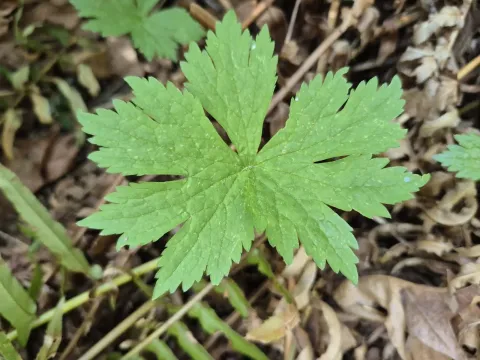
Trautvetteria is a genus of perennial flowering plants belonging to the Ranunculaceae family. Commonly known for its lush, palmately lobed foliage and delicate white, tassel-like inflorescences, this plant adds an elegant, wild aesthetic to any garden setting.
What the section contains


Trautvetteria
The cultural requirements of Trautvetteria center around moisture and shade. It originates from moist woodland environments and thrives best in locations that mimic these conditions, such as the shaded banks of water gardens or rain-filled border areas.
Optimal soil for this plant should be rich, humusy, and consistently moist. It is essential to ensure that the site does not dry out completely during the summer months, as the plant lacks drought tolerance and will suffer leaf scorch if deprived of water.
Climate-wise, Trautvetteria is highly adaptable and cold-hardy. It is well-suited for temperate climates where it can establish itself as a long-lived perennial, returning each spring with vigorous growth from its hardy rootstock.
In terms of usage, it is highly valued by horticulturists for shade-loving plant collections. Its ability to thrive in low-light conditions makes it an excellent choice for naturalizing in woodland borders or pairing with other moisture-demanding perennials like ferns and hostas.
Trautvetteria is generally robust, but it can be susceptible to powdery mildew if air circulation around the foliage is restricted. Ensuring adequate spacing between plants is the most effective preventative measure against this common fungal issue.
Slugs and snails can present a challenge, particularly in the moist habitats that the plant favors. Physical barriers or organic molluscicides are often employed in gardening practice to protect the foliage from aesthetic damage.
Root rot is a potential risk only if the soil lacks proper drainage and remains in a state of stagnant saturation for extended periods. While the plant loves water, it requires oxygenated soil conditions to maintain a healthy root system.
Aphids may occasionally appear on the flower spikes during the early bloom phase. If populations reach an impact threshold, local application of horticultural soap is typically sufficient to mitigate the infestation without harming the plant's health.
Regular maintenance, including the removal of dead foliage at the end of the season, reduces the risk of overwintering pathogens. By keeping the garden area clean and maintaining proper light levels, Trautvetteria remains a trouble-free addition to the landscape.