
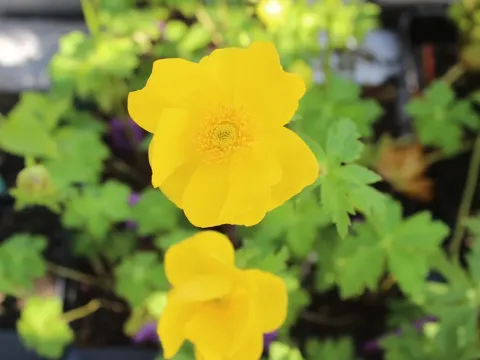
Trollius buddae
Trollius buddae
Trollius buddae is a remarkable perennial herbaceous plant belonging to the Ranunculaceae family. Native to the mountainous regions of China, this species thrives in subalpine environments characterized by cool temperatures and significant soil moisture.
What the section contains
Trollius buddae
Cultivating this plant successfully requires a site that offers partial shade, protecting the foliage from intense direct sunlight. The plant prefers environments where the roots remain cool throughout the active growing season.
The soil requirements involve high-humus, well-draining loams that retain sufficient moisture without becoming waterlogged. Incorporation of compost or leaf mold is recommended to optimize the soil structure and nutrient content for steady growth.
Proper agricultural practice emphasizes consistent hydration throughout the growing cycle, as the plant is sensitive to drought conditions. Mulching is highly recommended to regulate soil temperature and minimize evaporation during the warmer summer months.
The primary horticultural application of Trollius buddae is decorative, making it a sought-after addition for moist borders, alpine gardens, and woodland landscapes. Its unique flowering habit provides significant visual interest in professional landscaping.
The most common disease threats include fungal infections such as powdery mildew, which often develop in stagnant, humid air. Adequate spacing between plants is essential to promote airflow and mitigate these risks.
Root rot represents a severe threat to the longevity of the plant, typically resulting from poor drainage or excessive standing water. Ensuring a sloped planting site or a robust gravel drainage layer is a critical preventative step.
Pests such as aphids and leaf nematodes can hinder the growth of Trollius buddae. These pests often target emerging spring foliage and can significantly reduce the ornamental value of the plant if left unchecked.
Effective pest management involves regular scouting and the use of targeted insecticides when infestation thresholds are exceeded. Organic controls and neem oil sprays are often preferred for sustainable plant health.
By maintaining a disciplined maintenance schedule that includes weeding, mulching, and proper moisture management, growers can significantly enhance the plant's resistance to biotic stresses and promote healthy perennial development.