
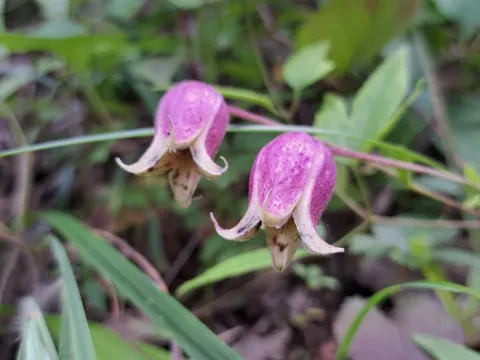
Vase vine
Clematis viorna
Clematis viorna, commonly known as the Vase vine, is a perennial flowering vine belonging to the Ranunculaceae family. It is distinctively recognized by its bell-shaped flowers with thick, fleshy sepals.
What the section contains
Vase vine
Native to the southeastern and central United States, this species thrives in woodland thickets and along riverbanks. It has been successfully introduced into horticultural settings as a robust ornamental climber.
The plant performs best in rich, well-draining, and moist soil with a neutral to slightly alkaline pH. It prefers a location that receives full sun but appreciates some shade for its roots to prevent overheating.
As a climbing vine, it requires support structures such as trellises, fences, or pergolas to reach its full potential. The plant naturally climbs using its leaf petioles, which act as tendrils.
Regular maintenance includes consistent watering during the growing season and applying mulch to maintain soil moisture levels. Pruning should be carried out in early spring to encourage vigorous new growth and flowering.
The most significant pathological threat to Clematis viorna is Clematis wilt, a fungal condition that can cause stems to collapse suddenly. Ensuring proper soil drainage is the primary method of prevention.
Pests such as aphids and spider mites are common concerns that can stress the plant. These are typically managed by applying horticultural oils or appropriate systemic pesticides when infestations are detected.
Slugs and snails can cause significant damage to the new, tender growth during the early spring months. Physical barriers, such as copper tape or coarse mulch, can be used to mitigate this risk.
Powdery mildew may occur in poorly ventilated areas with high humidity. Proper spacing between plants and thinning of the foliage are recommended to ensure good air circulation.
Root rot is a major risk in waterlogged soils, which highlights the importance of choosing a proper planting site. If detected early, diseased roots should be pruned, and the soil environment corrected immediately.