
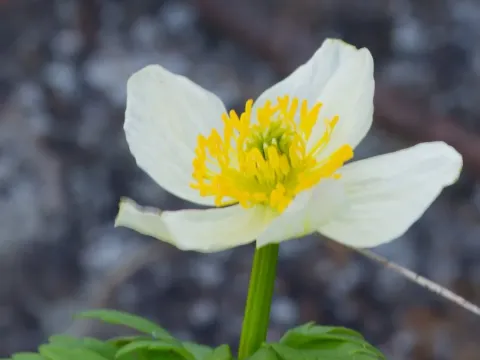
Trollius albiflorus
Trollius albiflorus
Trollius albiflorus requires a cold stratification period to break seed dormancy, making autumn sowing the most effective method for natural germination.
What the section contains
Trollius albiflorus
Seeds should be sown in a moist, lightweight, and well-draining substrate to prevent rotting before they have a chance to sprout.
If sowing in the spring, ensure that seeds undergo a chilling period at temperatures near 4 degrees Celsius for at least eight to twelve weeks.
The planting depth should be shallow, as the seeds are quite small and require access to surface light and moisture to initiate the metabolic processes.
Germination is often slow and erratic, so maintaining a stable moisture level in the seed tray is critical for achieving a successful stand of seedlings.
As a member of the Ranunculaceae family, this species thrives in moisture-retentive, humus-rich soils that mimic its native subalpine habitat.
The plant performs best in partially shaded locations, as exposure to intense, direct afternoon sun can lead to leaf scorch and premature wilting.
Consistent moisture is the primary requirement for successful cultivation; the plant should never be allowed to dry out completely during the growing season.
Soil pH should ideally be neutral or slightly acidic to ensure that the plant can efficiently absorb necessary micronutrients from the soil.
Adequate air circulation around the base of the plant is vital to prevent fungal issues that commonly arise in overly humid or stagnant environments.
Fungal diseases, such as leaf spot and various types of root rot, are the most significant threats to the long-term health of these perennials.
Pests like aphids and leaf miners may affect the vitality of the plant, especially during the tender period of new shoot development in the spring.
Preventive measures include the application of appropriate fungicides and the immediate removal of any plant material showing signs of stress or infection.
Monitoring the undersides of leaves is recommended, as this is where many insect pests initially establish their colonies before spreading.
- Sanitary pruning of dead foliage to reduce pathogen reservoirs.
- Implementing mulching techniques to regulate soil temperature.
- Ensuring proper spacing between plants to enhance airflow.
Harvesting seeds requires careful timing; they should be collected as soon as the follicles turn brown but before they release their seeds naturally.
For those interested in cut flowers, stems should be harvested when the blossoms are just beginning to open to maximize vase life.
Post-harvest care involves storing the seeds in a cool, dry, and dark environment to maintain viability for the following growing season.
Gardeners should remove spent flower heads to prevent seed set, which allows the plant to redirect its energy into root development for next year.
Always clean tools after working with the plant to prevent the accidental transmission of diseases from one bed to another within the garden.