
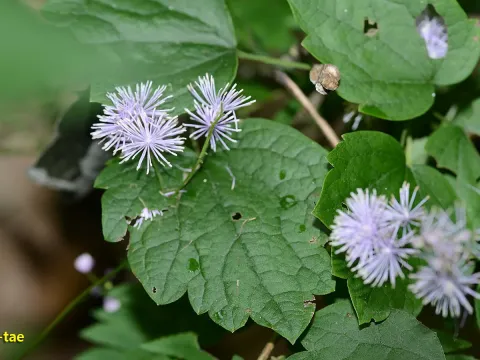
Thalictrum actaeifolium
Thalictrum actaeifolium
Sowing of Thalictrum actaeifolium is most successful when done in late autumn, allowing the seeds to undergo natural stratification through winter temperatures. This period of cold is essential for overcoming seed dormancy and ensuring a high germination rate in early spring.
What the section contains
Thalictrum actaeifolium
For those starting indoors, seeds should be sown in containers during early spring after a 4–6 week period of artificial stratification in a refrigerator. The seeds require light for germination, so they should be only lightly covered with fine soil or vermiculite.
Seedlings develop quite slowly during their first year, requiring stable moisture and protection from direct sunlight. Once they have developed true leaves and are sturdy enough, they can be transplanted into their permanent garden positions in late spring.
Vegetative propagation via root division is a preferred method for established clumps. This is best performed in early spring as new growth emerges or in late summer, ensuring each division contains healthy buds and an adequate amount of root structure.
As a member of the Ranunculaceae family, this species is highly valued as a hardy herbaceous perennial. Its elegant foliage and delicate flowers make it a perfect choice for woodland gardens, providing a sophisticated look in shaded environments.
The plant thrives in partial shade or dappled sunlight, mimicking the conditions of its natural forest habitats in East Asia. Direct afternoon sun should be avoided, as it can cause leaf scorch and deplete the soil moisture too quickly for the plant's liking.
Well-drained, fertile soil enriched with organic matter such as leaf mold or well-rotted compost is ideal. Thalictrum actaeifolium performs poorly in heavy, compacted clays that retain too much winter moisture, often leading to root damage.
Maintaining a consistent moisture level is crucial, particularly during the active growing season. While the plant should not sit in waterlogged soil, it must not be allowed to dry out completely, as this often leads to stunted growth and premature yellowing of the foliage.
The species is remarkably winter-hardy, capable of withstanding the harsh conditions of temperate climates without the need for winter protection. A light layer of mulch around the base of the plant is recommended to protect the crown and retain soil moisture.
Fertilization with a balanced, slow-release fertilizer in early spring supports healthy foliage and vigorous flowering. Avoid high-nitrogen fertilizers later in the season to prevent weak, leggy stems that may become prone to collapsing during heavy rain or wind.
Powdery mildew is the most common fungal issue encountered, especially in areas with high humidity or poor air circulation. Improving spacing between plants and ensuring adequate airflow are key preventative measures against this unsightly disease.
Pests such as aphids and spider mites can occasionally target the leaves, especially when the plant is under stress from drought. Regular monitoring and, if necessary, the use of insecticidal soaps or horticultural oils can effectively manage these populations.
Root rot is often a result of over-watering or insufficient soil drainage, which encourages the growth of soil-borne pathogens. If symptoms of wilting or discoloration occur, it is essential to check the roots and adjust the drainage conditions immediately.
Rust diseases may appear as orange or brown spots on the underside of leaves during late summer months. Infected foliage should be removed and disposed of immediately to stop the spread of spores, followed by an appropriate fungicide treatment if the infestation persists.
Good garden hygiene, such as removing dead plant debris in the autumn, significantly reduces the likelihood of overwintering pathogens. Keeping the base of the plants clean and ensuring no overcrowding helps maintain the overall health and vigor of your Thalictrum colony.