
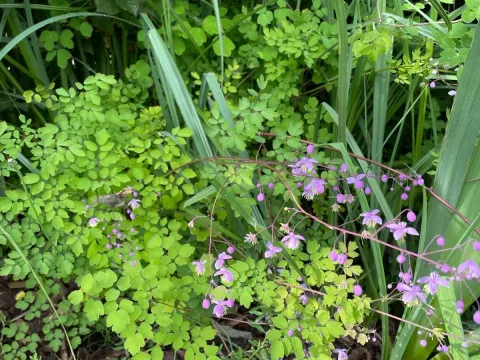
Thalictrum dipterocarpum
Thalictrum dipterocarpum
Sowing Thalictrum dipterocarpum seeds is best performed in late autumn for natural stratification or indoors during early spring for seedlings.
What the section contains
Thalictrum dipterocarpum
Seeds should be sown in a moist, well-draining seed-starting mix, barely covering them as they require some light to germinate effectively.
Cold stratification for 4 to 6 weeks is essential to break dormancy and ensure a high germination percentage for the sown seeds.
Once seedlings develop their first true leaves, they should be pricked out and transplanted into individual pots to strengthen their root system.
Final hardening off and transplanting into the garden beds should take place once the danger of late spring frosts has completely passed.
Thalictrum dipterocarpum belongs to the Ranunculaceae family and is native to the mountainous regions of Western China.
The plant thrives in partial shade conditions, ideally receiving dappled sunlight which mimics its natural forest-edge habitat.
It requires deep, rich, moisture-retentive soil with a neutral pH to support its tall, delicate flowering stems and foliage.
Regular maintenance includes applying a layer of organic mulch around the base to keep the roots cool during the heat of the summer.
Watering should be consistent throughout the growing season, as this species does not tolerate long periods of drought very well.
Root rot is the most significant threat to this culture, typically caused by waterlogged soil and inadequate drainage in the planting site.
Powdery mildew can frequently affect the leaves, especially if there is poor air circulation or overcrowding within the flower beds.
Pests like aphids and leaf miners often target the lush foliage, necessitating early intervention to maintain plant health and vigor.
Regular inspection of the undersides of leaves can help in identifying and treating minor pest infestations before they become severe.
Implementing proper spacing between plants ensures adequate ventilation, which significantly reduces the risk of fungal disease outbreaks.