
Thalictrum cultratum
Thalictrum cultratum
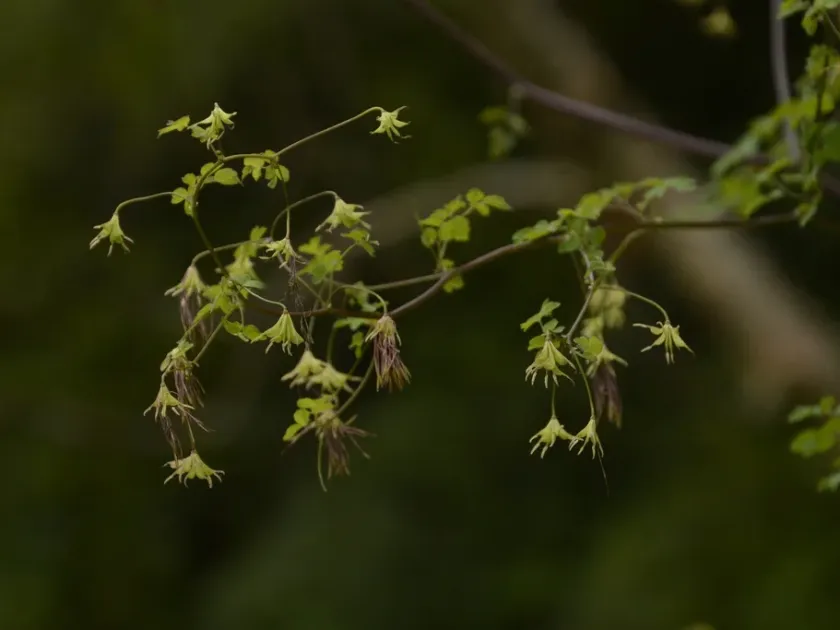
Description
Sowing dates
Thalictrum cultratum is a perennial herbaceous plant that can be propagated through seeds or by division of established clumps. Sowing seeds directly into the open ground during the autumn season is recommended to ensure the necessary cold stratification for successful germination.
For spring sowing, seeds require prior chilling in a refrigerator for one to two months. Because the seeds are tiny, they should be sown at a depth of no more than 1 centimeter to ensure they receive sufficient light and air for sprouting.
Greenhouse propagation starting in late winter or early spring allows for the development of robust seedlings. These can be transplanted to their permanent locations once the risk of frost has passed, usually by the middle of May.
Vegetative propagation via clump division should be performed in early spring or late August. It is critical that each division has a healthy root system and multiple growth points to ensure quick establishment in the new soil environment.
When planting, maintain a spacing of at least 40–50 centimeters between individual plants. This spacing provides enough room for the mature foliage to expand and ensures adequate airflow to prevent moisture-related issues.
Growing requirements
This species thrives in fertile, well-drained, and loose soil with a neutral to slightly acidic pH. The plant is sensitive to waterlogged conditions, so adequate drainage must be provided, especially in areas with heavy clay soil compositions.
The ideal location for cultivation is in partial shade or areas with diffused light. Direct exposure to the midday sun can stress the plant, leading to leaf scorching and a loss of the delicate foliage color that makes this species so desirable.
Thalictrum cultratum is known for its high frost resistance, making it suitable for temperate climates without the need for additional winter protection. Only young, recently planted specimens might require mulching during their first winter.
Consistent watering is essential, particularly during the growing season and in periods of drought. However, it is equally important to avoid overwatering, as overly saturated soil can lead to root degradation and stunted plant growth.
Fertilization should be applied twice annually: in the spring, nitrogen-rich fertilizers encourage foliage growth, while during the bud-set stage, balanced fertilizers with increased phosphorus and potassium support vibrant and prolonged flowering.
Yield
The primary economic use of Thalictrum cultratum is in the ornamental horticulture sector. It is highly valued by landscape designers for its elegant, fern-like foliage and airy, cloud-like inflorescences that add texture to garden beds.
In terms of pharmaceutical potential, the species is studied for its content of specialized alkaloids. For commercial cultivation aimed at harvest, biomass production is maximized by ensuring optimal nutrient levels and preventing plant competition for water.
Harvesting the aerial parts of the plant is typically done during the peak flowering phase when active secondary metabolites are at their highest concentration. Drying must be performed in shaded, well-ventilated areas to prevent the degradation of chemical compounds.
To maintain high productivity, older stands should be renovated every 5 to 7 years. As the clumps age, they tend to become less vigorous, which results in a decrease in both flower production and overall plant health in the patch.
While often grown in smaller nursery batches, industrial cultivation can be highly profitable if managed with precision irrigation and integrated pest management practices, ensuring a steady supply of high-quality planting material.
Main diseases and pests
The most significant pathological threat to this culture is powdery mildew, which often develops in conditions of poor air circulation and high humidity. Regular thinning of plants is a key preventive measure against this fungal disease.
Root rot is a common issue when the plant is situated in low-lying areas or heavy soil. Ensuring a proper soil structure with the addition of perlite or sand can significantly mitigate the risk of root-related infections.
Pests such as aphids and leaf-chewing caterpillars can cause aesthetic damage to the foliage. Biological control agents, such as predatory insects, are often preferred in garden settings to keep pest populations at manageable levels without chemical exposure.
Continuous monitoring of the field or garden plot is necessary to detect early signs of infestation. Prompt removal of damaged leaves or affected stems can prevent the rapid spread of infections throughout the entire planting area.
General resilience to environmental stress is good, but adhering to crop rotation principles in a commercial context is essential. Proper site preparation and early intervention are the foundations for maintaining a healthy and productive population of this perennial.