
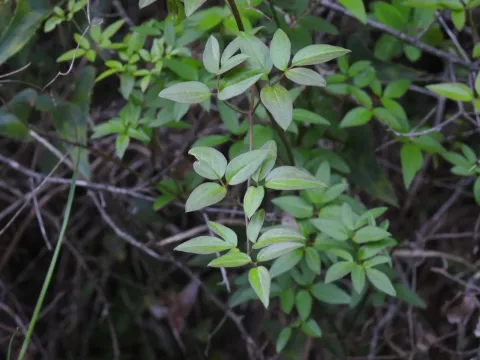
Sweet autumn clematis
Clematis flammula
Sowing seeds of Clematis flammula is typically done in late autumn for outdoor germination or in spring after a cold stratification period of 2 to 3 months. The seeds exhibit high germination rates if the dormancy is properly broken by cool temperatures.
What the section contains
Sweet autumn clematis
For spring sowing in seed trays, an optimal temperature of +18°C to +20°C is required. It is essential to maintain consistent moisture in the growing medium while ensuring good drainage to prevent the seeds from rotting.
Pricking out seedlings should occur after the development of two pairs of true leaves. As the root system establishes rapidly, the young plants can be transplanted into their permanent locations by the end of the first season or the following spring.
Selecting a location protected from strong winds is crucial for young plants, as it prevents physical damage to the tender vines during their initial adaptation period.
The spacing of plants depends on the intended use; for vertical landscaping, a distance of 1 to 1.5 meters between individual specimens is recommended to ensure proper growth.
Clematis flammula thrives in sunny, well-lit locations where it can achieve its most profuse blooming. While it can tolerate partial shade, insufficient light often leads to leggy growth and a noticeable reduction in flower density.
The culture requires fertile, loose soil with excellent drainage properties. Waterlogging in the root zone is detrimental, so incorporating a drainage layer in heavy or clay-heavy soils is highly advised for successful cultivation.
A neutral to slightly alkaline soil pH is optimal for this species. Once the root system is well-established, the plant demonstrates significant drought tolerance compared to other clematis varieties.
Providing a sturdy support structure is necessary, as the vine climbs using its leaf petioles, which possess natural grasping characteristics to anchor the plant as it grows.
While the species is hardy in moderate climates, young plants in colder regions may require basic winter protection to insulate the crown and prevent damage from deep frosts.
The primary value of Clematis flammula lies in its immense ornamental appeal and abundant flowering throughout mid-to-late summer. Masses of fragrant, small white flowers transform the vine into a dense, visually striking floral cascade.
A mature plant can reach heights of 3 to 5 meters, providing a substantial green cover that is ideal for shading pergolas, gazebos, and fencing in landscape architecture.
The biological nature of this species allows for vigorous annual pruning, which encourages the development of fresh, healthy stems and results in a more robust and densely branched plant structure.
Since flowering occurs on the current year’s growth, annual spring pruning does not sacrifice the decorative output, allowing gardeners to manage the plant's size effectively each season.
This clematis serves as an excellent honey plant, attracting a diverse range of pollinators to the garden, which contributes to overall biodiversity and ecological health of the local environment.
The most significant threat to Clematis flammula is verticillium wilt, a fungal disease that can affect the vascular system. Infected stems often wilt and dry out suddenly, necessitating immediate sanitary pruning and the application of fungicides.
Powdery mildew can become an issue during periods of high humidity and poor air circulation. Regular thinning of the vines and maintaining proper plant spacing are effective preventive measures against fungal growth.
Pests such as aphids and spider mites can infest the young shoots and leaves. Regular monitoring of the foliage allows for early detection and the use of eco-friendly biological control methods.
Root-knot nematodes can pose a hidden threat, leading to stunted growth and eventual plant failure. Planting companion species, such as marigolds, can help deter these soil-borne pests through natural chemical properties.
Maintaining a weed-free zone around the base of the plant is critical, as many common weeds can act as alternative hosts for various pathogens and pests that threaten the vitality of the clematis.