
Thalictrum chelidonii
Thalictrum chelidonii
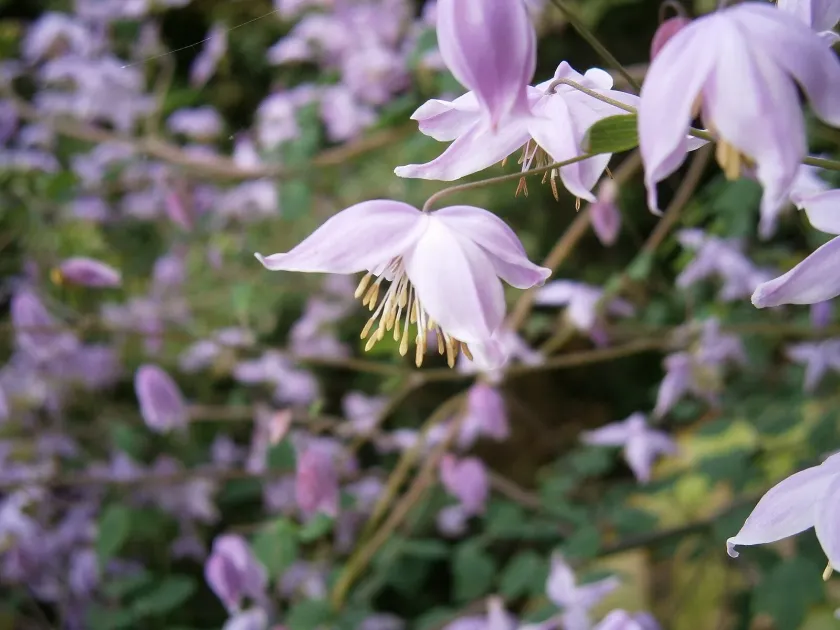
Description
Sowing dates
Sowing Thalictrum chelidonii seeds is best performed in late autumn as an outdoor winter sowing. The seeds require a period of cold stratification to break dormancy and ensure high germination rates in the spring.
If starting indoors, sow seeds in trays during late winter. Keep them in a cold environment, ideally around 5 degrees Celsius, for several weeks before moving them to a warmer, brighter area to germinate.
Seeds are tiny and require light to sprout; therefore, do not bury them deeply. A thin layer of horticultural grit or vermiculite over the seeds will provide enough stability while allowing light to penetrate.
Seedlings should be pricked out into individual pots once they develop their first set of true leaves. This promotes stronger root growth before they are transplanted into the final garden bed.
Vegetative propagation by dividing established clumps is another reliable method. This is best done in early spring, allowing the divided sections to establish themselves before the intense summer heat begins.
Growing requirements
Thalictrum chelidonii thrives in partial shade or dappled sunlight. It is essential to avoid sites with intense midday sun, as the foliage can become scorched and lose its decorative appeal.
The soil must be rich in organic matter and retain moisture while maintaining excellent drainage. A loamy, slightly acidic to neutral soil composition provides the best environment for healthy root development.
Consistent moisture is key to success with this species. During prolonged dry spells, deep watering is necessary to prevent the leaves from drooping and to maintain the plant's structural integrity.
An application of balanced fertilizer early in the spring supports vigorous growth. Avoid excessive nitrogen applications, as this may encourage weak, floppy stems that are prone to wind damage.
Although hardy, the plant benefits from a mulch layer in colder climates to protect the crown during freezing winter temperatures. Ensure the mulch does not directly touch the stem base to prevent rot.
Main diseases and pests
Powdery mildew is the most common fungal disease associated with Thalictrum. It typically appears during periods of high humidity and stagnant air circulation around the plants.
To mitigate the risk of mildew, maintain adequate spacing between plants to encourage airflow. If an outbreak occurs, utilize a broad-spectrum fungicide and remove infected foliage immediately.
Aphids can be a significant pest, particularly on tender spring growth. These insects suck sap from the plant, which can lead to stunted growth and the spread of viral diseases.
Applying insecticidal soap or neem oil is an effective way to manage aphids without harming the local beneficial insect population. Early intervention is critical to prevent a full infestation.
Slugs and snails often feed on new shoots during the damp spring season. Using copper tape barriers or non-toxic baits around the base of the plant can provide sufficient protection.