
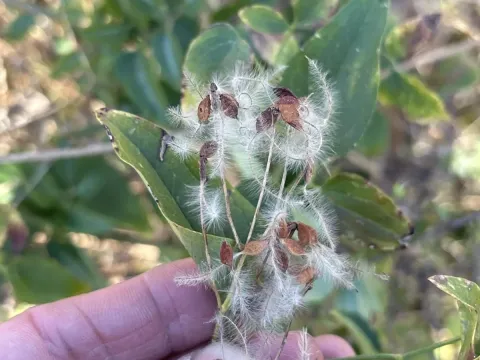
Sweet autumn clematis
Clematis terniflora
Seeds of Clematis terniflora should be sown in the autumn for outdoor stratification, which mimics natural environmental conditions. Placing them in a potting mix allows for natural cold exposure over the winter.
What the section contains
Sweet autumn clematis
For spring sowing, seeds require artificial stratification in a refrigerator at temperatures between 2 and 5 degrees Celsius for about three months. This helps to break seed dormancy and ensures consistent germination rates.
Once germinated, seedlings should be placed in a bright location with indirect sunlight. Transplanting into individual containers occurs after the development of the first true leaves to prevent overcrowding.
Hardening off is a critical step before transferring plants to a permanent outdoor location. This process involves gradually exposing the young vines to outdoor conditions over a period of two weeks.
Propagation through greenwood cuttings during the active growing season is an effective method. Using a light, well-draining substrate and high humidity conditions helps cuttings develop strong root systems efficiently.
Sweet autumn clematis belongs to the Ranunculaceae family and is a vigorous, woody climbing vine. It is native to Eastern Asia and is widely valued for its aggressive growth and fragrant white blooms.
The plant thrives in full sun but can tolerate partial shade. For optimal flower production, it is essential to ensure the plant receives at least six hours of direct sunlight each day during the summer.
The soil must be fertile, moist, and well-drained with a neutral to slightly alkaline pH. Clay soils should be amended with organic matter and grit to improve aeration and drainage in the root zone.
Consistent watering is necessary, especially during the first two years of establishment. Once mature, the vine shows good drought tolerance, though supplemental water during prolonged heat improves its appearance.
Regular pruning is required to manage its rapid growth and prevent it from becoming invasive in small landscapes. Trimming the vine back in late winter or early spring encourages fresh, vigorous new growth.
Clematis wilt is a significant fungal disease that causes rapid wilting and collapse of the stems. Avoiding mechanical damage to the base of the stem and ensuring good drainage are primary prevention steps.
Powdery mildew is a common issue during periods of high humidity and poor air circulation. Increasing airflow around the vines and utilizing fungicidal treatments can mitigate the damage effectively.
Aphids often target new succulent growth, causing stunted development. Integrated pest management, including the use of neem oil or insecticidal soap, is recommended to keep aphid populations under control.
Root-knot nematodes can weaken the plant by attacking the root system, leading to poor vigor. Ensuring a healthy, well-nourished soil environment helps the plant resist the negative impacts of these pests.
Snails and slugs can damage young, emerging shoots during the early spring months. Using copper tape or bait stations around the plant base is a common practice to protect against these garden pests.