
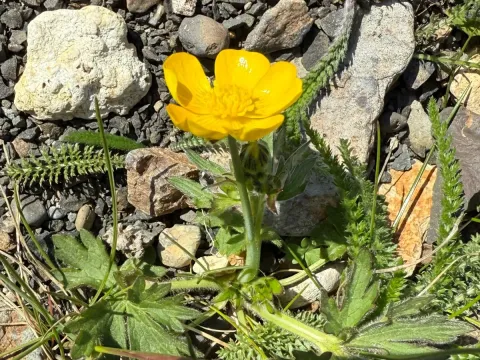
Subarctic buttercup
Ranunculus subborealis
The subarctic buttercup (Ranunculus subborealis) is a perennial herbaceous plant belonging to the Ranunculaceae family. It is native to northern circumpolar regions, where it has evolved to thrive in harsh, cold climates.
What the section contains
Subarctic buttercup
The plant grows best in moist, well-drained soils typical of tundra and subarctic landscapes. It is exceptionally well-adapted to short growing seasons and can tolerate significant temperature fluctuations throughout the year.
Successful cultivation requires adequate light exposure, as the species is adapted to open, treeless environments. It prefers slightly acidic to neutral soil types that are characteristic of arctic regions.
Agronomic management involves monitoring moisture levels closely, as the root system is highly sensitive to the balance between water availability and soil aeration in northern soils.
Currently, the economic importance of the subarctic buttercup is primarily focused on scientific study and preservation of biodiversity, as it plays a key role in the natural vegetation of high-latitude ecosystems.
Like many species in the genus Ranunculus, this plant contains protoanemonin, which makes it toxic to livestock if consumed fresh; therefore, it is generally considered an undesirable weed in high-quality forage.
The most common disease threats include powdery mildew, which can affect the foliage during periods of high humidity and limited air movement.
Pests, particularly aphids, can occasionally infest the plant, causing chlorosis or stunted growth, especially in disturbed or sheltered sites where natural predators are sparse.
Management strategies emphasize cultural practices, such as ensuring proper drainage and avoiding excessive nitrogen fertilization, which can weaken the plant and make it more susceptible to pathogens.
As the plant is not typically farmed for commercial use, integrated pest management focuses on preventive measures rather than the application of synthetic chemical pesticides.