
Thalictrum filamentosum
Thalictrum filamentosum
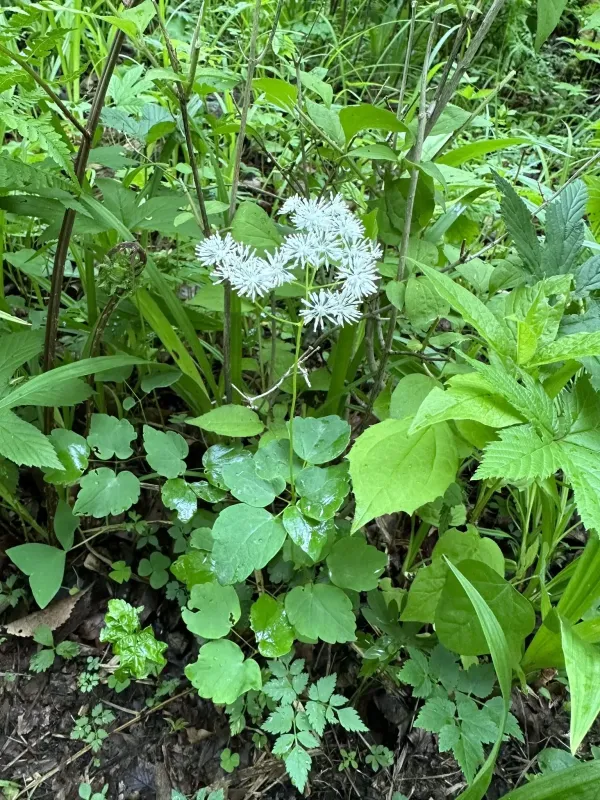
Description
Sowing dates
Thalictrum filamentosum is a perennial herbaceous plant belonging to the Ranunculaceae family. Known for its delicate, fern-like foliage and unique flower structure, it is highly valued in ornamental horticulture and landscape design as a resilient and attractive green cover.
Propagation is most commonly achieved through division of mature root clumps, typically performed in early spring as growth resumes or in late autumn. This method ensures that the new plants retain the vigor and desirable characteristics of the parent stock.
For seed propagation, sowing should be done in late autumn to expose seeds to natural stratification temperatures. This process is essential for breaking seed dormancy and ensuring uniform germination when spring temperatures rise above the threshold for active growth.
When planting in the field, a spacing of 40 to 50 centimeters between individual plants is recommended. Proper spacing allows for adequate airflow throughout the canopy, which is a critical factor in preventing the development of moisture-dependent pathogens on the leaves.
Initial establishment requires consistent moisture until the root system has fully adapted to the new environment. Once established, the plants demonstrate high survival rates and begin to display the architectural foliage that characterizes this particular species.
Growing requirements
Thalictrum filamentosum performs best in partially shaded environments, where it is protected from harsh, direct sunlight. Excessive exposure to sun, particularly during the peak of summer, can cause chlorosis or scorching of the sensitive, finely divided leaves.
The ideal soil is rich in organic matter, moist, and well-drained. While the plant appreciates consistent moisture, it cannot tolerate waterlogged conditions, which lead to root rot; therefore, incorporating sand or gravel in heavier soils is an effective corrective measure.
The soil reaction should ideally be near neutral or slightly acidic. Adjusting the pH to these levels optimizes the availability of essential nutrients, allowing the plant to reach its full growth potential and produce high-quality foliage throughout the growing season.
Annual fertilization with compost or balanced organic slow-release fertilizers in the early spring supports vigorous growth. Over-fertilization, especially with high-nitrogen inputs, should be avoided to prevent weak stems and susceptibility to environmental stress.
The species is known for its excellent cold tolerance and generally thrives in temperate climate zones. It does not require intensive protection during the winter, making it a low-maintenance choice for gardeners and professional landscapers alike.
Main diseases and pests
Powdery mildew and various leaf rusts are the most frequent threats, particularly in areas with stagnant air or poor drainage. Managing humidity and ensuring adequate space between plants are the most effective preventive strategies against these fungal diseases.
Insect pests such as aphids and leaf-rolling caterpillars may cause damage to young foliage. Integrated pest management, including regular inspections and the use of insecticidal soaps or biological control agents, can successfully mitigate these populations without harming pollinators.
Root rot is typically an issue in soils with poor permeability. Monitoring soil moisture levels and ensuring that planting sites are slightly elevated can significantly reduce the incidence of root-related pathogens and improve the overall longevity of the plant beds.
Sanitation practices, such as the removal of dead or diseased foliage at the end of the season, are essential for reducing the inoculum load on the site. This simple step helps maintain a healthy environment for the following year's growth cycle.
Chemical control should be used judiciously and only when cultural and biological methods fail to keep pest or disease pressure below economic or aesthetic thresholds. Always follow label directions to ensure safety for beneficial insects in the garden environment.