
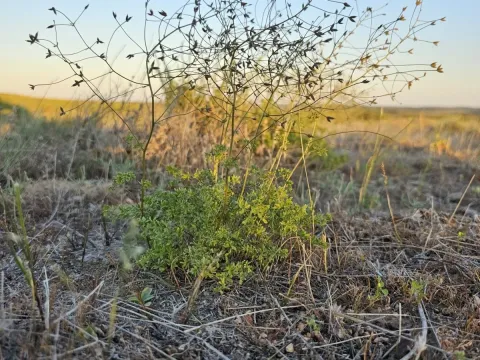
Thalictrum isopyroides
Thalictrum isopyroides
Thalictrum isopyroides is a perennial herbaceous plant belonging to the Ranunculaceae family. Native to the mountainous regions of Central Asia, it is well-adapted to rocky substrates and harsh alpine conditions, which makes it a unique candidate for specific ecological garden designs.
What the section contains
Thalictrum isopyroides
The plant thrives in well-draining, gritty soils that prevent root rot. It requires full sun to partial shade, though in warmer climates, protecting the foliage from intense midday heat is recommended to maintain optimal plant vigor throughout the season.
Botanically, it is characterized by finely divided, fern-like leaves and a robust taproot system that ensures survival in nutrient-poor, rocky environments. Its compact growth habit makes it an excellent choice for rock gardens and alpine-themed landscapes.
Agricultural management of this crop involves minimal interference. It requires little irrigation once established, as it is drought-tolerant. Annual organic fertilization in early spring is sufficient to encourage healthy leaf production and overall longevity of the plant.
Economically, Thalictrum isopyroides is valued in botanical gardens and medicinal research. It contains specific alkaloids that have been studied for their pharmacological potential, although it should be handled with care due to its potential toxicity.
The primary threats include fungal diseases like powdery mildew, which can develop if the planting site lacks proper airflow. Ensuring adequate spacing between individual plants is critical to mitigate these risks in humid environments.
Common pests such as aphids and spider mites can attack the delicate foliage, particularly during dry spells. Monitoring the underside of leaves for early signs of infestation is a standard preventive measure for healthy growth.
Root rot remains the most significant threat to plant health, typically caused by waterlogged soil. This can be easily avoided by providing high-quality drainage and avoiding heavy, clay-based substrates during the initial planting phase.
Slugs and snails may occasionally feed on young spring shoots. Physical barriers, such as sharp gravel mulching, are effective ways to protect the plant from these mollusks without resorting to chemical interventions.
Overall, providing a suitable environment that mimics the plant's natural rocky habitat is the best way to prevent most diseases and ensure the plant remains healthy and resistant to common pests.