
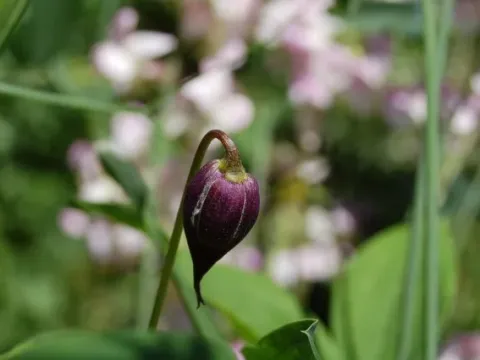
Sweet-scented clematis
Clematis aromatica
Sowing Clematis aromatica seeds requires a period of cold stratification to break dormancy. It is highly recommended to sow the seeds in late autumn, allowing them to remain outdoors in pots or seed trays throughout the winter to mimic natural conditions.
What the section contains
Sweet-scented clematis
The substrate used for sowing must be well-draining, consisting of a mix of potting soil, peat, and sand. Keep the trays in a cool, sheltered area, ensuring the soil remains moist but not saturated, which prevents the seeds from rotting during the cold season.
Germination typically occurs in late spring when temperatures start to rise consistently. If the seeds were kept indoors, they should undergo artificial stratification in a refrigerator for at least two to three months before being moved to a warm environment (around 20 degrees Celsius).
Seeds should be covered with a very fine layer of soil, usually about 1 centimeter deep. Covering the tray with a sheet of glass or clear plastic can help maintain humidity levels, but it is crucial to air the container regularly to prevent fungal growth on the surface.
Once seedlings have developed their first set of true leaves, they should be transplanted into individual pots to avoid competition. Providing sufficient space for the root system is essential for the healthy development of young vines before they are moved to their permanent spot in the garden.
Clematis aromatica, belonging to the Ranunculaceae family, is a herbaceous perennial vine highly prized for its fragrant flowers. Native to parts of Central and Southern Europe, it is a popular choice for gardeners looking for aesthetic and aromatic vertical features.
This species thrives in sunny locations but requires shading for its root base. Maintaining a cool root zone can be achieved by planting low-growing perennial flowers or spreading organic mulch around the stem, which protects the roots from intense summer heat.
Well-draining, fertile, and slightly alkaline soil is ideal for the successful cultivation of this clematis. Poorly draining soils often lead to root rot, so incorporating organic matter such as compost or well-rotted manure during the initial planting phase is highly recommended.
Regular watering is necessary, especially during the dry summer months, to support vigorous growth and consistent flowering. However, gardeners should avoid overhead watering to keep the foliage dry, which significantly reduces the risk of fungal infections such as powdery mildew.
Supporting the vine is essential, as the stems of Clematis aromatica need sturdy structures to climb. Installing trellises, wooden fences, or wire mesh networks helps the plant display its flowers properly and creates a beautiful, dense floral display throughout the growing season.
Clematis wilt is a common and serious threat, often caused by soil-borne fungi that enter the stem base. Once the disease is detected, affected stems should be cut back to the ground level and destroyed immediately to prevent the spread of the infection to healthy tissues.
Powdery mildew is another widespread issue, characterized by white, dust-like patches on the leaves. Increasing airflow around the plant and applying preventive fungicidal sprays during humid spells are effective strategies to manage this condition and maintain foliage health.
Aphids and spider mites are frequent pests that infest the soft tips of the stems and the underside of leaves. These insects can be controlled using soft insecticidal soaps or neem oil, which are generally safe for the plant and effective in managing small infestations.
Root-knot nematodes can cause stunted growth and general decline in the plant's health. Improving soil quality through organic amendments and rotating the planting site, if possible, are the best methods to minimize the impact of these microscopic pests on the root system.
Slugs and snails can cause significant damage to young shoots in spring. Implementing physical barriers such as crushed eggshells or using copper tape around the base of the plant can effectively deter these pests, protecting the delicate new growth from being eaten.